


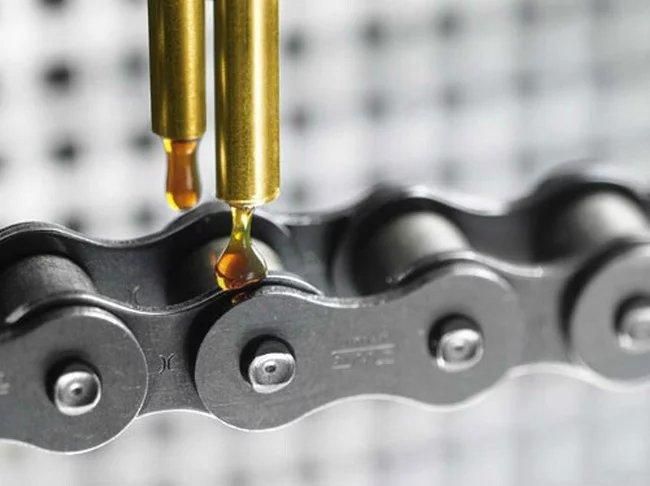
In the field of industrial manufacturing and metal processing, rust prevention has always been an unavoidable topic. Whether it is precision parts, auto parts, or large machinery and equipment, once rust occurs in storage or transportation, it will not only directly affect the appearance and accuracy of the product, but also may lead to the scrapping of the entire batch of products, bringing huge economic losses. In the face of severe long-term protection needs, a rust-proof product with real hard core strength is particularly important. Hank BS-404 hard film rust-proof oil is such a professional product with a "three-year rust-proof period" and "hard film protection" as the core selling point. This article will provide you with a comprehensive and in-depth hard core analysis from the technical principle, performance characteristics, applicable scenarios and construction methods.
What is Hank BS-404?
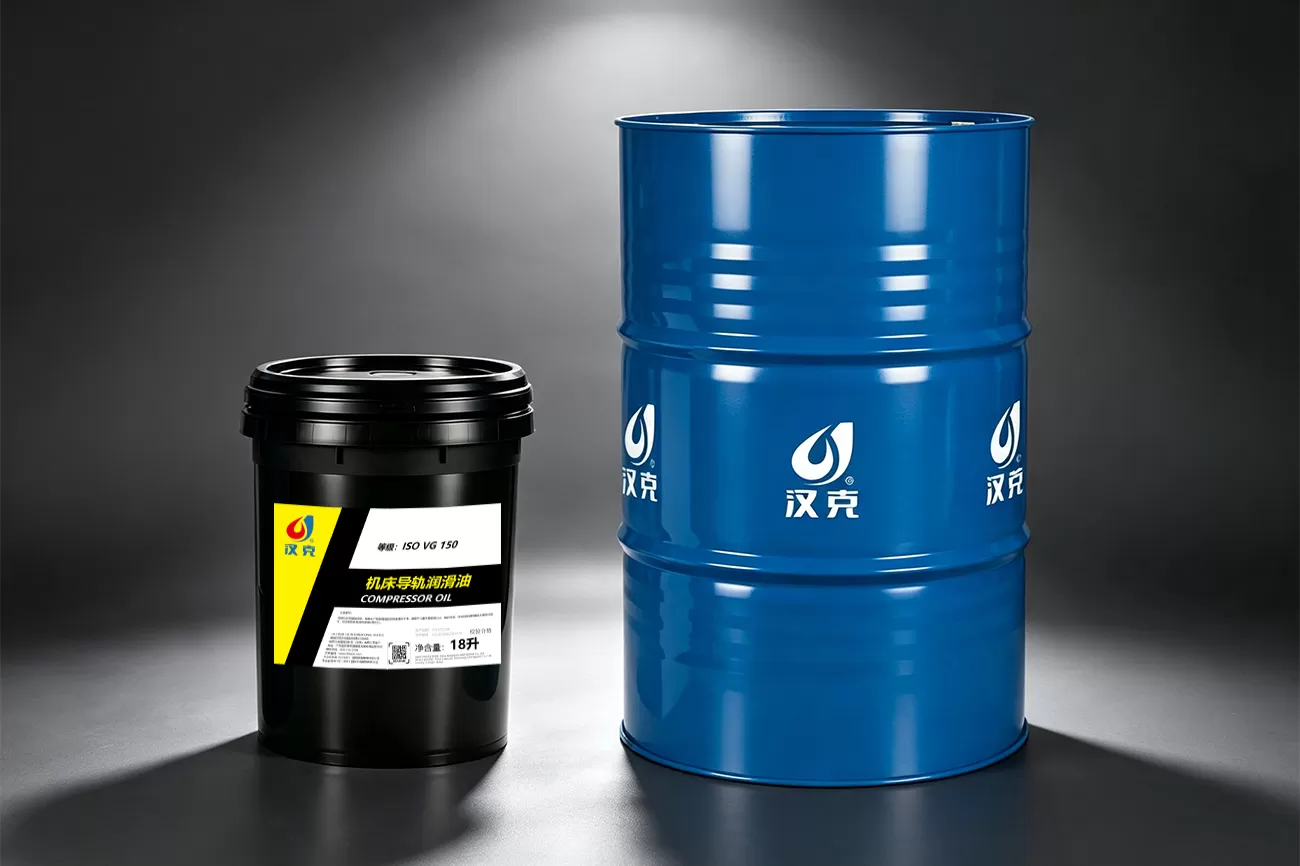
Hank BS-404 is a solvent-based hard film anti-rust oil, which is refined from high-quality anti-rust additives, film-forming resins and volatile solvents. Unlike ordinary anti-rust oils, BS-404 will evaporate rapidly after coating, forming a uniform, transparent and certain hardness protective film on the metal surface. This film can effectively isolate moisture, oxygen and corrosive media in the air, thus providing long-term stable anti-rust protection for metals. Its claimed "anti-rust period of three years" is not an exaggeration, but based on strict salt spray test, humid heat test and atmospheric exposure test data. Under normal storage conditions, the use of BS-404 treated metal workpieces can easily achieve a maintenance-free anti-rust cycle of more than three years.
Second, the core advantages of dura protection
The most striking feature of Hank BS-404 is the "hard film". This protective film is fundamentally different from the traditional soft film anti-rust oil. Soft film anti-rust oil is usually oily or greasy, easy to be contaminated with dust, and when the protected workpiece is transported or stacked, the oil film is easily erased, resulting in a decrease in rust resistance. The hard film formed by BS-404 has the following outstanding advantages:
1. High strength and wear resistance: The dry film of BS-404 is hard and not easily damaged by external friction. This means that during packaging, transportation and handling, even if there is a slight collision or sliding between the workpieces, the protective film can still remain intact and continue to play a rust-proof role.
2. Excellent isolation performance: The hard film structure is compact, which can greatly reduce the penetration rate of water vapor and oxygen. In the salt spray environment, BS-404 shows extremely high corrosion resistance, which can effectively resist the erosion of chloride ions, especially suitable for offshore transportation or long-term storage in high humidity environments.
3. High temperature resistance: The formed hard film has a certain temperature resistance and is not easy to flow or soften in high temperature environments. This makes BS-404 perform well in certain environments that require subsequent processing (such as temporary protection after machining) or special storage environments.
4. Transparent and easy to inspect: The film layer of BS-404 is transparent or translucent, which does not cover the color of the metal itself, making it convenient for quality inspectors to determine the integrity of the film layer through visual or instrumental inspection without disintegrating the packaging.
The technical support behind the three-year rust prevention period
Why is Hank BS-404 able to achieve an anti-rust period of up to three years? This is inseparable from its unique formula design. First, BS-404 uses highly efficient composite anti-rust additives, including sulfonates, carboxylic acids and special chelating agents. These additives can chemisorbed to the metal surface, forming an extremely thin passivation layer, inhibiting electrochemical corrosion reactions at the molecular level. Second, the choice of film-forming resin is crucial. The special resin used in BS-404 has extremely low hygroscopicity after film formation, and does not absorb moisture in the air like some ordinary resins and cause corrosion under the film. In addition, the solvent system has been carefully formulated to ensure that the anti-rust agent is evenly spread on the metal surface, avoiding sagging or uneven thickness, thus ensuring the consistency of the film performance.
In order to verify the reliability of the three-year anti-rust period, Hank BS-404 undergoes a series of rigorous accelerated aging tests. For example, in the standard neutral salt spray test, BS-404 treated steel plates can be corrosion-free for hundreds of hours; in the wet heat test, it performs equally well. These data provide a solid experimental basis for the three-year anti-rust period. Of course, the actual anti-rust cycle will also be affected by factors such as storage environment, workpiece surface cleanliness, and film thickness. Therefore, Hanke officials usually recommend that before using BS-404, the metal workpiece must be thoroughly degreased, rust removed, and dried, and ensure that the film thickness reaches the recommended value (generally between 20 and 30 microns), so as to maximize the three-year rust prevention target.
IV. Wide range of application scenarios, covering the entire industrial chain
Hank BS-404 is widely used in the following fields due to its dura properties and long anti-rust period:
1. Automotive parts industry: Precision metal parts such as engine blocks, crankshafts, gears, brake discs, etc. need to be sealed and rust-proof for a long time after processing, assembly or export. The hard film of BS-404 can resist vibration and friction during transportation, ensuring that the parts are still as good as new after arriving in port.
2. Machinery manufacturing and heavy equipment: Large machine tools, molds, construction machinery and their accessories often need to be stored in the open air or in a warehouse for months or even years. The weather resistance of BS-404 makes it an ideal choice for long-term protection. Its hard film also prevents foreign objects such as dust and sand from being embedded in the film layer, which is convenient for subsequent simple cleaning.
3. Hardware tools and standard parts: small goods such as drills, taps, bearings, bolts, etc., can be packaged in large quantities after soaking or spraying BS-404. Since the film layer is not sticky to the hand and will not affect the final feel of the product, consumers only need to wash it with solvent or wipe it with a cloth before use.
4. Export marine protection: During cross-sea transportation, the temperature and humidity in the container change drastically, and it is often accompanied by high concentrations of salt spray. BS-404's excellent anti-salt spray performance can provide reliable "armor" for export equipment. Many foreign trade enterprises have adopted it as a standard protection process.
5. Steel sheet and coil storage: Cold-rolled sheet and galvanized sheet are highly susceptible to rust during long-term storage, and brushing BS-404 can significantly prolong the inventory cycle. At the same time, due to the hard film layer, it can also play a certain lubricating role in steel sheet shearing and stamping, and even some users choose to press directly without removing the film.
Construction technology and precautions
To give full play to the performance of the Hank BS-404, correct construction methods are essential. The following is the recommended operating procedure:
(1) Surface pretreatment: This is the most critical step. Use a degreaser or alkaline cleaner to remove oil stains, cutting fluid residues, dust and rust on the surface of the workpiece. For rusted workpieces, rust removal treatment (mechanical rust removal or chemical rust removal) is required and thoroughly dried. The higher the surface cleanliness, the stronger the adhesion between the anti-rust film and the metal, and the better the anti-rust effect.
(2) Coating method selection: BS-404 can be brushed, dipped or sprayed in three ways. For small batches of large workpieces, brush coating is enough. For small parts, dip coating efficiency is high and the film thickness is uniform. For high-volume production lines, spray or electrostatic spraying is recommended. Either way, it should be ensured that the surface of the workpiece is completely covered by the oil film without omission. Pay attention to control the viscosity. If the stock solution feels too thick, it can be diluted appropriately with a special diluent.
(3) Film thickness control: The dry film thickness is recommended to be controlled at 20 to 30 microns. Too thin film may not be able to withstand harsh environments, and too thick will waste material and prolong drying time. After dipping, the workpiece should be tilted to allow excess oil to flow back into the tank to avoid accumulation.
(4) Drying and curing: After the solvent in BS-404 evaporates, the film layer dries naturally. It generally takes 24 hours to reach a fully cured state at room temperature. Contact with moisture and dust should be avoided during curing. If the ambient temperature is low, appropriate ventilation or low temperature baking (no more than 60 ° C) can be used to accelerate solvent volatilization.
(5) Safety and environmental protection: BS-404 contains volatile organic solvents. The construction site should be well ventilated and kept away from fire sources. Operators should wear protective gloves and masks to avoid long-term skin contact. Waste liquid and cleaning waste should be disposed of in accordance with relevant environmental regulations.
Six, the removal method of dural anti-rust oil
Although the hard film anti-rust oil provides excellent protection, the removal of this film is also a step that must be considered when the workpiece needs subsequent welding, painting or direct use. Hank BS-404's film layer has good solubility and can be easily wiped off with petroleum-based solvents (such as kerosene, diesel) or special cleaning agents. For small workpieces, ultrasonic cleaning can be performed. It is worth noting that due to the hard film layer, there will be no oil stains left during removal like soft films, and the metal surface can be quickly restored to a clean state after cleaning. If you only need to temporarily remove a local film layer, you can also use a cotton cloth dipped in a solvent for fixed-point wiping, which is very convenient.
VII. Comparison with other anti-rust products
There are many types of anti-rust oils on the market, and users often hesitate between hard film anti-rust oil and soft film anti-rust oil, anti-rust wax, and gas phase anti-rust paper. Here is a simple comparison:
- Soft film anti-rust oil: low cost, easy to apply, but the film is soft, easy to stick to ash, easy to wipe off, and the anti-rust period is usually short (a few months to a year). Suitable for short-term indoor protection or occasions where surface cleanliness is not required.
- Anti-rust wax: long anti-rust period, but the film is thick, opaque, difficult to remove, and expensive. Mainly used for heavy anti-corrosion in extremely harsh environments, such as hulls, chassis, etc.
Vapor phase anti-rust paper/anti-rust film: suitable for small precision parts inside closed packages, relying on gas phase corrosion inhibitors to function, but with limited protection against large areas of exposed metal or non-confined spaces.
- Hank BS-404 hard film anti-rust oil: It combines the advantages of long anti-rust period, strong film layer, transparent and easy construction, and is especially suitable for metal products that require long-term storage and have certain requirements on surface condition. In terms of cost performance, the three-year anti-rust period means that the human and material costs of repeated oiling and rust removal can be reduced, which is actually very cost-effective.
Eight, use cases and effect feedback
Once upon a time, there was a large automotive parts supplier whose transmission shafts were frequently rusted when exported to South East Asia. After using Hank BS-404, they changed the original packaging process: the transmission shaft was thoroughly cleaned and dried, then soaked in BS-404, taken out, hung and drained, and the film was completely cured before being put on plastic packaging. After a year of sea transportation and local warehouse detention, all products had no rust spots on the surface during unpacking inspection, and the film layer was intact. Customer feedback not only solved the rust problem, but also because the film layer is transparent, quality inspectors can see the metal surface condition without destroying the packaging, which greatly reduces the cost of unpacking inspection. Another example is a mold factory that needs to store the inventory of molds for more than three years. They use BS-404 for recoating every six months. In fact, due to the wear resistance of the film layer, the recoating frequency can be reduced from twice a year to once a year, and even only during extreme seasonal changes. When the mold is unsealed, after scrubbing with diesel oil, the surface of the mold edge and cavity still maintains its original luster without re-grinding.
Conclusion: Selection of Quality and Trust
With its two core characteristics of "three-year rust-proof period" and "hard film protection", Hank BS-404 provides a highly reliable, efficient and cost-effective long-term rust-proof solution for the industrial sector. It is not just a simple rust-proof oil, but also a "protective armor" for metal products. In today's context of globalized trade and refined production, the quality of rust-proof technology directly determines the final quality of product delivery. Choosing Hank BS-404 means choosing a rigorous commitment to product quality - so that every metal product can still be rust-free, corrosion-free and tough under the test of time and environmental challenges. Whether it is auto parts, machinery, or hardware tools, as long as you need long-term stable rust protection, Hank BS-404 will be your trusted hardcore significant other.