


Hank, Lubricants and Greases Frequently Asked Questions
Hank, what is it?
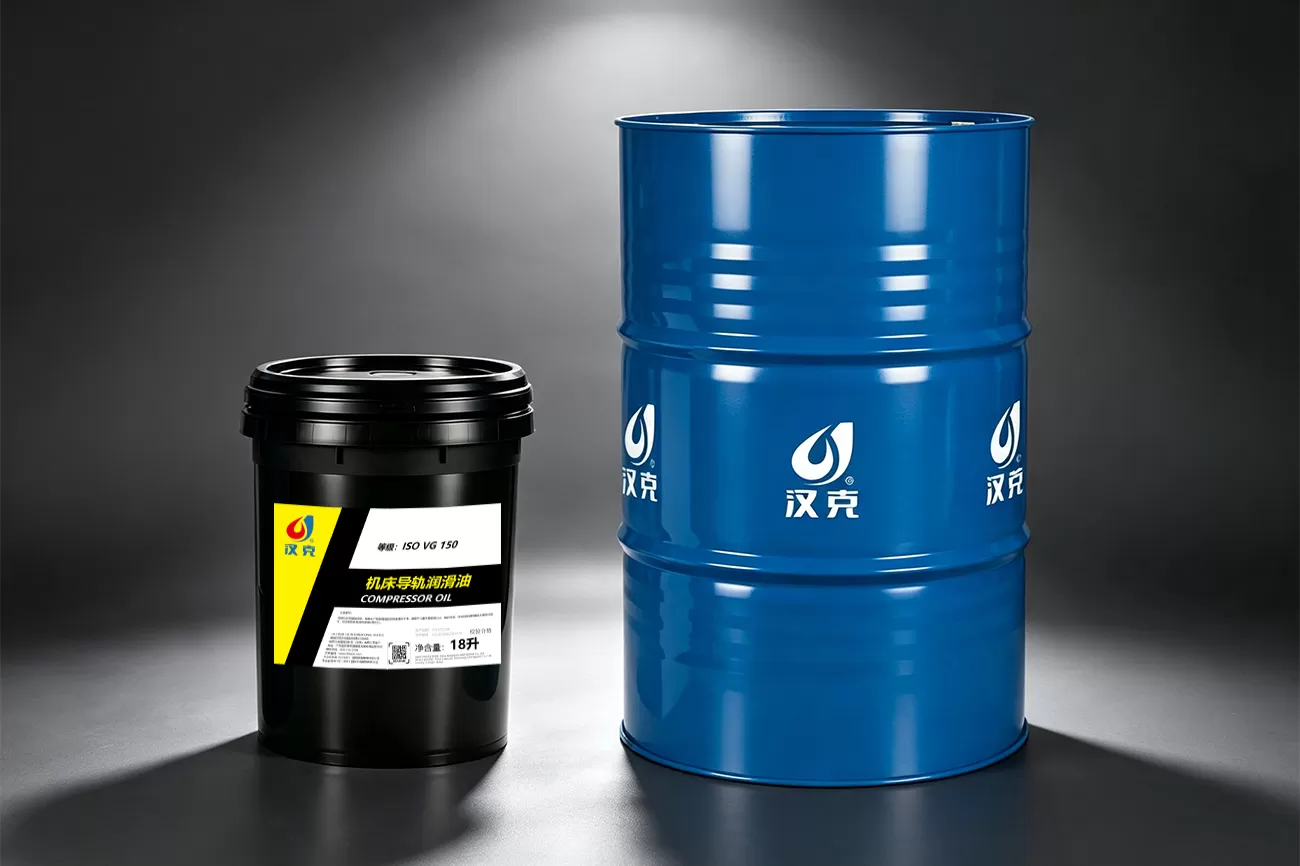
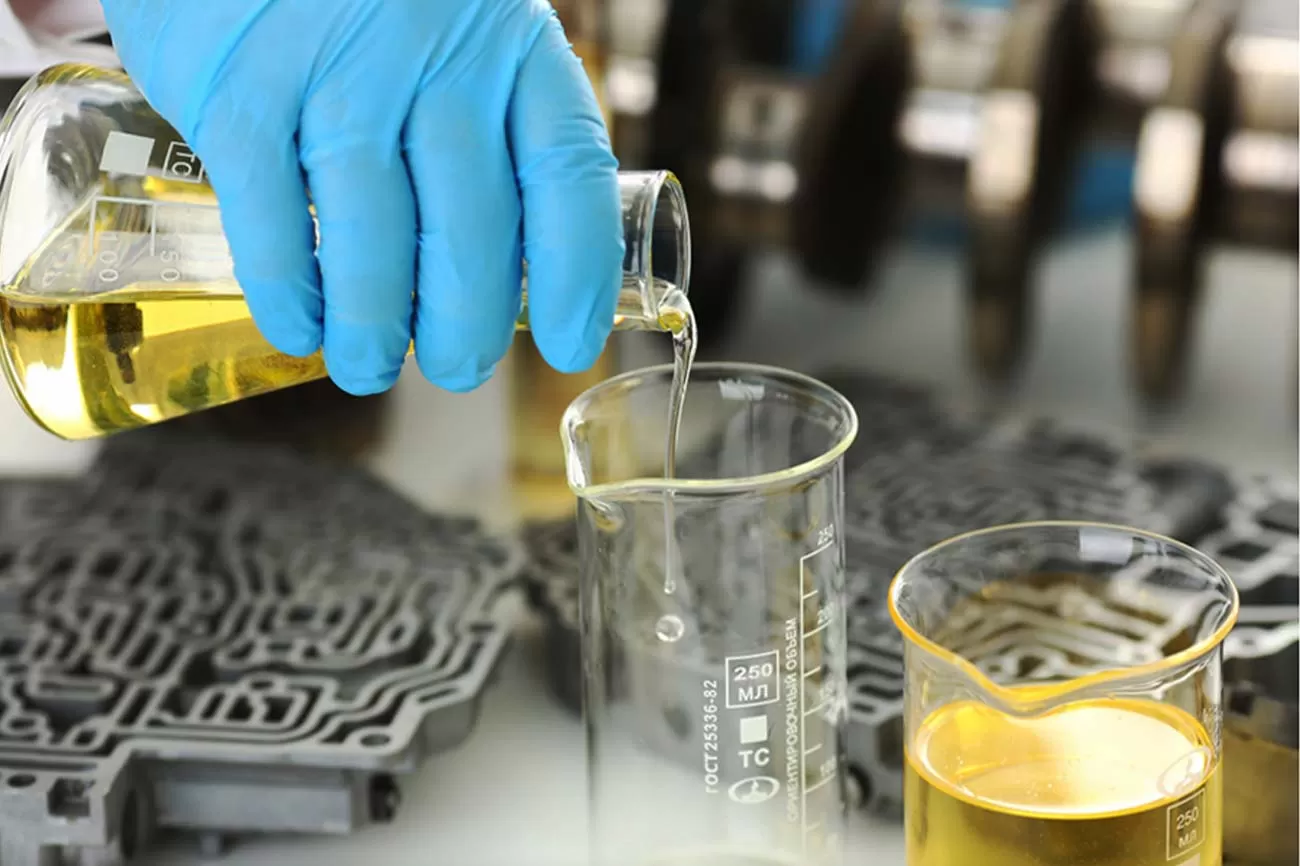
Hank, is the brand name for a range of specialty synthetic lubricating materials, which offer multiple models of lubricating products.
Hanke lubricants have a wide range of applications, especially in applications with very high or very low temperatures, non-flammability, long-lasting, oxidation resistance, and chemical corrosion resistance.
What are the main differences between the various Hank lubricants?
Each Hank lubricant has its own unique characteristics to suit a specific industry or environment. The Hank lubricant range includes:
Hank GPL General Purpose Lubricants, a cost-effective base lubricant specifically designed for industrial applications.
Hank XHT Extreme High Temperature Lubricants are specially treated for greater thermal stability at temperatures exceeding 300 ° C (572 ° F).
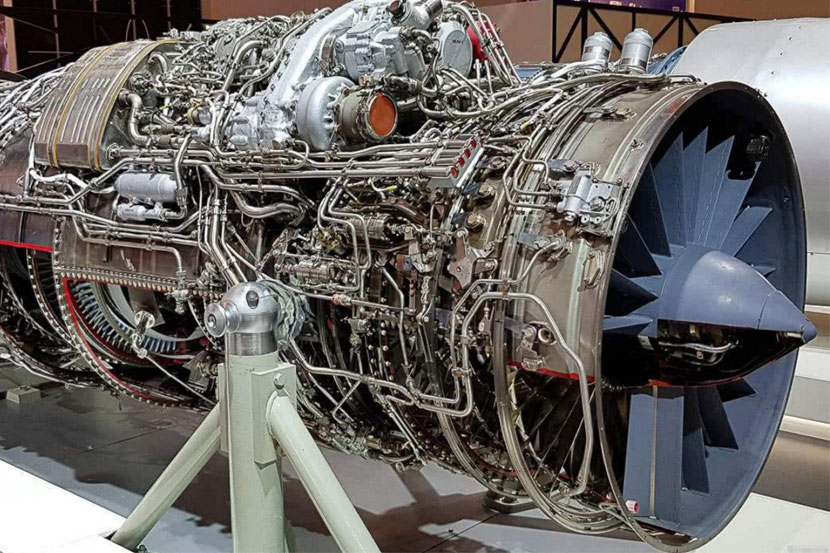
Hanke Aerospace Lubricants have stricter regulations on volatility and a narrower fraction than GPL series lubricants.
Hank VPF vacuum pump oil with excellent vapor pressure performance.
More information is listed in the Hank Performance Lubricants product overview.
Does Hank Lubricant contain silicon?
Does not contain. Hank Lubricants and Greases do not contain any silicon and do not use silicon in their production process.
What are the different models of Hanke GPL lubricants available and what are their typical applications?
Hank GPL 10X series lubricants and Hank GPL 20X series greases do not contain any additives and are suitable for components that require contact with most commonly used chemicals in industry. Typical applications include valves or bearings, seal ring shielding fluids, instrumentation, and oxygen systems.
The Hank GPL 21X series contains molybdenum disulfide for extreme pressure (EP) conditions and can be used in low-speed or high-load applications.
The Hank GPL 22X series contains sodium nitrite anti-corrosive and anti-wear additives that improve load-bearing performance and are ideal for applications in corrosive environments. Typical applications include automotive bearings, sealed pump bearings, motor bearings, and general purpose bearings.
The Hank GPL 29X series greases feature extreme pressure characteristics and use anti-rust additives for applications that require high load-carrying capacity and protection against rust.
Hank GPL 2EX series greases are formulated with unique anti-rust additives. This grease is similar to Hank GPL 22X series greases, but it contains non-nitrite anti-rust additives.
Visit the Hanke GPL product page for the complete range of lubricants and their product data tables.
What are the ingredients of Hank Lubricant?
Hank fluorinated oils are a series of low molecular weight, fluorine-terminated epoxide homopolymers of hexafluoropropylene. The polymer chain is fully saturated and contains only carbon, oxygen and fluorine, not hydrogen.
Hank High Performance Lubricant Applications
What applications can Hanke lubricants be used for?
Hank lubricants are suitable for applications requiring non-flammability, oxidation resistance, material compatibility, high temperature stability and chemical resistance. Including the following industries:
car
Aerospace
Chemical processing
Electronics and semiconductors
Corrugated paper machines, pulp and paper making
Industrial Maintenance, Repair and Operations (MRO)
Please refer to the Hank Performance Lubricants product overview or the Hank Lubricants product selection guide for more information.
How is the NLGI consistency of each model of Hank Grease?
Grease is a mixture of base oil and thickener. Hank grease uses a special very small particle size polytetrafluoroethylene (PTFE) with high thickening ability.
Base oils of different viscosity can be used in grease to meet the requirements of different temperature and load conditions.
Additives are often added to the grease to enhance rust resistance, improve load-bearing capacity, and reduce wear and tear. Our standard grease model is NLGI (American Grease Association) Grease No. 2; however, we can produce greases in NLGI models 000 to 6 upon customer request. For more information on NLGI model options, see the Hank Performance Lubricants product overview.
What preparations are required before using Hank lubricants in bearings?
Before adding Hank grease, the original grease, lubricating oil or anti-rust oil used during storage should be removed from the bearing. If non-perfluoropolyether (PFPE) lubricating oil or grease is left in the bearing, they can form carbon deposits at high temperatures, which may cause the acceleration bearing to fail.
If Hank lubricant is used, does it need to be continuously lubricated?
For most applications, the relubrication interval can be extended by months or years. For example, in bearing applications, a corrugated machine typically requires grease every three to twelve months, depending on the operating rate of the equipment. In sealed systems, Hank lubricants are exceptionally durable, so there is no need for relubrication.
Can Hank grease be mixed with other greases?
Although Hank grease does not react with other greases or cause decomposition or any dangerous reactions, it does not prevent other lubricants from failing due to high temperatures and oxidation. Therefore, we do not recommend mixing Hank lubricants with any non-perfluoropolyether (PFPE) lubricants or greases.
Characteristics of Hank's high-performance lubricants
What certifications has Hank Lubricants obtained?
The specific product model has received the following certifications:
MIL-Spec PRF-27617 grease is approved for use in aerospace applications.
NSF H1-certified lubricants can be used to lubricate food machinery that comes into contact with food.
Independently tested and confirmed for use in LOX (liquid oxygen) and GOX (pure oxygen) by major oxygen manufacturers and testing organizations, including BAM.
DIN 3536: Lubricants can be used for indoor installation, gas distribution, and gas pipeline valves.
DIN EN 377: Lubricants can be used in gas appliances and related accessories.
What manufacturing certifications does Hank Lubricants have?
Hanke Lubricants is manufactured based on the following certifications:
ISO 9001 Certified Quality Management System
ISO 14001 Certified Environmental Management System
Is Hank Lubricant flammable?
No. Hank Lube is non-flammable and has no flash point.
How stable is Hank's lubricant when exposed to chemicals?
Hank perfluoropolyether (PFPE) lubricants and greases thickened with polytetrafluoroethylene (PTFE) offer excellent chemical stability. Hank lubricants and greases do not react with or cause degradation of most chemicals, except Lewis acids and alkali metals.
Hank Performance Lubricants are not only resistant to oxygen and reactive gases, but also almost non-reactive with all chemicals used in most industries. For more information, see Hank Lubricants: Chemical Stability or Gas Compatibility.
Are Hank lubricants compatible with non-metallic materials?
Yes. For more than 60 years, Hank lubricants and greases have been used to lubricate plastic and elastomer components. For more information, see the Hank Lubricants Plastic and Elastomer Compatibility Document.
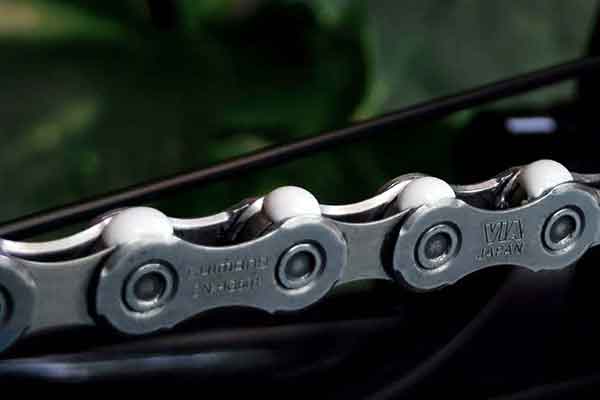
Contamination is one of the most serious challenges bearings face. Chip, rust-proof oil, and other residues can limit lubrication performance, which can lead to failure. Proper handling of bearings and the use of quality lubricants, such as Hank Performance Lubricants, can reduce equipment downtime and reduce maintenance costs.
What are the best practices for ensuring proper lubrication of bearings?
Follow these five steps and watch the video to ensure proper lubrication of bearings:
Make sure the work area is clean and use appropriate tools.
Remove bearing seal.
Clean the bearings with a solvent and dry them.
Apply grease to check if the grease is appropriate and ensure even distribution.
Replace the sealing ring and cap.