


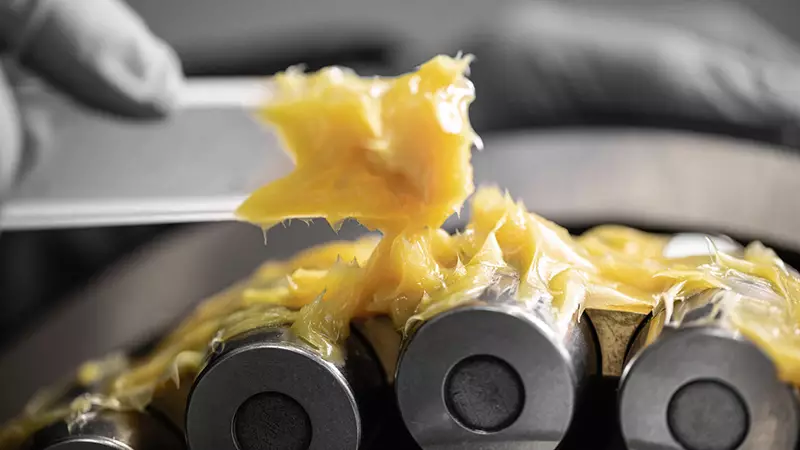
In metal processing and manufacturing, anti-rust protection is always a key link in determining product quality and service life. However, the traditional single anti-rust method is often caught in a dilemma: although the water-based anti-rust agent is easy to clean, the anti-rust period is short, making it difficult to cope with medium and long-term storage or transportation needs; although the oil-based anti-rust agent has strong protective performance, the subsequent degreasing cleaning process is cumbersome and costly. How to find a balance between the two to achieve "flexible anti-rust, cost reduction and efficiency increase" has become a pain point that many enterprises need to solve urgently. Hank BS-400 series anti-rust products, with the unique design of the "anti-rust water + anti-rust oil" combination fist, provide a truly flexible, economical and efficient anti-rust solution for modern industries.
Why do you need a "combination punch"? - Limitations of a single anti-rust solution
In the machining workshop, the workpiece needs to go through multiple processes from rough to finished product. Temporary rust prevention between each process, rust prevention between processes, and rust prevention of the final product are sealed and sealed. The requirements for rust prevention are also different in different scenarios.
When using only anti-rust water (water-based anti-rust agent), it uses water as a solvent and has strong adhesion to the metal surface, resulting in a uniform and easy-to-clean film, which is especially suitable for short-term anti-rust between processes. However, the anti-rust period of water-based anti-rust agents is usually only a few days to a few weeks, and their tolerance to humid environments and acid-alkali environments is limited. Once exposed to high humidity or long-term transportation, the film layer is easily damaged, resulting in a significant increase in the risk of rust.
When using anti-rust oil alone, the oil film is dense and contains high-efficiency anti-rust additives, which can isolate moisture, oxygen and corrosive media, and the anti-rust period can reach several months or even years. However, the oil film is thick, and the product must be thoroughly cleaned before subsequent assembly or painting, which not only consumes a lot of cleaning agent, but also increases waste liquid treatment and labor costs. At the same time, too thick oil film may also affect the dimensional tolerance and appearance quality of the workpiece, and even cause assembly difficulties on some precision parts.
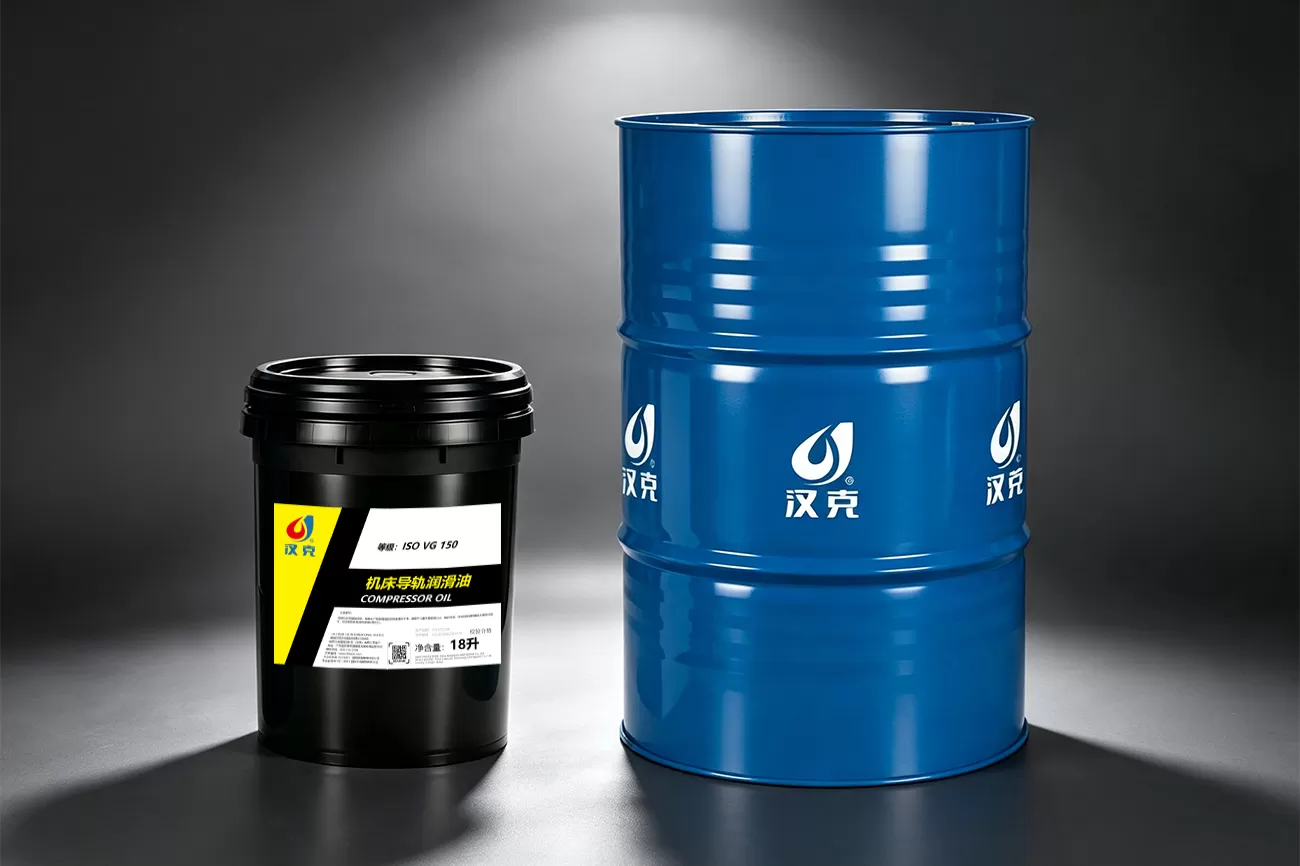
Hank BS-400 series is well versed in the dilemma of the scene, breaking the traditional thinking of "either water or oil", and launching a combination solution of water-based and oily products. According to the stage of the workpiece and the anti-rust period, flexible switching or stacking is used, which not only makes use of strengths and avoids weaknesses, but also greatly reduces costs, truly realizing "the water is water, the oil is oil, the combination of water and oil, and on demand".
Analysis of the two core products of the Hank BS-400 series
Hank BS-400 series includes two main models of BS-400 water-based anti-rust liquid (anti-rust water) and BS-400L anti-rust oil, both of which use high-quality anti-rust compound agents and a scientific formula system to ensure the best protection under different working conditions.
1. Hank BS-400 anti-rust water (water-based anti-rust liquid)
This anti-rust water uses deionized water as a carrier and adds a variety of organic amines and carboxylic acids as anti-rust ingredients to form a transparent to microemulsion liquid. Its permeability is extremely strong, and it can quickly reach the microscopic pores on the metal surface to form a protective film for directional adsorption. Compared with ordinary anti-rust water, BS-400 has the following remarkable characteristics:
Moderate anti-rust cycle between processes: in an indoor dry environment, it can provide an effective anti-rust period of 7 to 30 days, perfectly covering intermediate links such as machining, transportation, and assembly, and avoiding rust rework between processes.
The film layer is extremely thin and easy to remove: there is very little surface residue after drying, and it can be easily washed with water-based cleaning agent or weak alkali solution, without affecting subsequent welding, electroplating, painting and other processes.
Environmental protection and safety: no nitrite, no heavy metals, no pungent odor, simple waste liquid treatment, meeting increasingly stringent environmental regulations, and protecting the health of operators.
- Wide range of suitable materials: excellent anti-rust effect on cast iron, carbon steel, alloy steel, galvanized parts, etc., especially suitable for workpieces sensitive to chloride ions.
2. Hank BS-400L anti-rust oil (oil-based anti-rust agent)
BS-400L uses refined mineral oil or synthetic oil as base oil, compounded with high-efficiency oil-soluble corrosion inhibitor, antioxidant and film-forming agent. The oil film is thin and transparent, and has the dual functions of rust prevention and lubrication. Its core advantages include:
- Medium and long-term storage and rust prevention: It can provide a rust prevention period of 3 to 12 months or even longer to meet the needs of product export shipping, long-term storage and equipment storage.
- Excellent salt spray and moisture resistance: Stable in salt spray test and humid heat test, it can effectively resist chloride ion erosion in coastal transportation and high humidity environments.
- The oil film can be customized: by adjusting the use method and application thickness, the oil film can be flexibly selected from "soft film" to "hard film", which is convenient for subsequent processing on demand.
- With oil assembly/running-in function: For some mechanical mating surfaces, the BS-400L oil film can be assembled directly without cleaning, and can even be used as initial lubrication to save processes.
III. Three Typical Application Models of Combination Boxing
The "combination punch" of the Hank BS-400 series is not simply tied, but flexible switching through process design. The following are the three most typical and effective application modes:
Mode one: phased switching -- water first, oil later.
It is suitable for workpieces with a long processing cycle. Use BS-400 anti-rust water in the blank processing and intermediate process stages to keep the surface of the workpiece clean and free of greasy feeling, which is convenient for subsequent measurement, fitter repair or heat treatment. After the final completion and inspection pass, use BS-400L anti-rust oil for final storage. This not only ensures the temporary anti-rust during the processing process, but also completes the long-term protection before leaving the factory, avoiding the waste of repeated cleaning and smearing in the middle.
Mode 2: Differentiation by location - water and oil zoning coordination
For the same piece of equipment or complex parts, different parts may have different anti-rust requirements. For example, the large machine tool bed, whose guide rail grinding surface needs long-term anti-rust and needs to be assembled later, can be protected by BS-400L oil film; while the internal non-working surface or the cavity that does not contact the lubricating oil can be sprayed with BS-400 anti-rust water. This "water and oil, part customization" idea greatly saves the cost of anti-rust, while ensuring the reliability of key areas.
Mode 3: Fast switching and mutual backup - both emergency and long-term
In some enterprises, due to changes in customer demand or the suspension of orders, the workpieces originally planned for short-term storage suddenly need to be converted to long-term storage. At this time, there is no need to re-clean the old film - in the case that the original BS-400 anti-rust water film has not failed, you can directly apply another layer of BS-400L anti-rust oil. The anti-rust water film has good compatibility with the anti-rust oil film, which can form a composite protective layer and further improve the anti-rust performance. On the contrary, if the long-term oil-sealed workpiece needs short-term processing, it only needs to be simply wiped or degreased, and then over-protected with
IV. Four core values brought by flexible combination
1. Significant cost reduction
The use of BS-400 anti-rust water to complete the anti-rust process, which can handle a larger area per kilogram than the use of anti-rust oil, has a lower unit price, and the subsequent cleaning is simple, saving a lot of cleaning agent costs and labor. Only use anti-rust oil when it is finally sealed, so that "good steel is used on the blade". Comprehensive calculations, the cost of enterprise anti-rust can usually be reduced by 20% to 40%.
2. More reliable quality
The combination boxing avoids the lack of rust prevention period caused by "replacing oil with water", and also prevents the hidden danger of cleanliness caused by "replacing water with oil". There are the most suitable protective products at each stage, the rust rate has dropped significantly, and customer complaints have decreased significantly.
3. Flexible and efficient operation
Hank BS-400 series products can be used in a variety of ways, including soaking, spraying, brushing and dipping. The anti-rust water dries quickly and does not stick to the hands; the anti-rust oil has good fluidity and uniform film layer. Workers are easy to operate and can adjust the process at any time according to the production rhythm without special equipment to meet the complex scheduling needs such as urgent orders and insertions.
4. Environmental compliance, responsibility first
In the context of "double carbon" and stricter environmental protection supervision, Hank BS-400 series adheres to the green formula. Anti-rust water does not contain nitrite, waste liquid can be biochemically treated; anti-rust oil has low volatile organic compound content, reducing VOCs emissions in the workshop. Enterprises can easily cope with environmental impact assessment audits after use, reducing the pressure on hazardous waste disposal.
Application scenarios and case sharing
A wind power parts processing enterprise produces large slewing bearings with a processing cycle of up to 45 days. Previously, a brand of anti-rust oil was used throughout the process, resulting in an additional oil removal process after each process, resulting in low production efficiency and high waste liquid treatment costs. After the introduction of the Hank BS-400 series, the process was optimized to:
- Roughing and finishing process room: use BS-400 anti-rust water spray, the surface of the parts is clean, and the next process is directly clamped without cleaning.
- After heat treatment: spray BS-400 anti-rust water again to prevent rust after quenching.
- Before final assembly: Apply BS-400L anti-rust oil to the bonding surface, dip it as a whole, and seal it for shipment.
After the improvement, the frequency of cutting fluid replacement in the workshop was reduced, the rust rate between processes was reduced from 3% to 0.2%, the total cost of rust prevention was reduced by about 30%, and the production cycle was shortened by 5 days due to the cancellation of multiple oil washing links. This case fully verifies the practical value of the "anti-rust water + anti-rust oil combination fist".
How to choose and switch? - Professional solutions provided by Hank
Hanke's technical team recommends that companies consider the following factors when selecting a rust prevention method:
- Anti-rust period: choose anti-rust water within 1 week; anti-rust water (or anti-rust water plus packaging bags) is recommended for 1 week to 1 month; choose anti-rust oil for more than 1 month.
Environmental conditions: Indoor dry environments can be biased towards anti-rust water; outdoor or high-humidity environments must use anti-rust oil.
- Follow-up process: When subsequent welding, painting, and electroplating are required, only anti-rust water with good cleaning performance can be selected; when subsequent assembly does not require cleaning, anti-rust oil can be selected.
Workpiece material: iron castings are difficult to prevent rust, and can cooperate with water and oil; carbon steel parts are the most cost-effective; galvanized parts should pay attention to the pH value of anti-rust water. Hank BS-400 series has been tested to be friendly to galvanized coatings.
For different enterprises, Hank can provide free sample testing and process optimization advice to help engineers develop exclusive anti-rust work instructions to ensure maximum effectiveness of the combination punch.
VII. Common misunderstandings and precautions
Myth 1: Use anti-rust water casually, and do not need to control the concentration. The concentration of Hank BS-400 anti-rust water is usually 5% to 10%. If the concentration is too low, the anti-rust period will be sharply shortened, and the concentration will be too high and wasteful and may affect the drying speed. It is recommended to equip a concentration meter for regular testing.
Myth 2: The thicker the anti-rust oil, the safer it is. Too thick oil film not only wastes material, but also may become a rust inducement due to the adhesion of dust and impurities. BS-400L emphasizes the design of "thin and uniform" oil film, and high anti-rust requirements can be achieved by controlling the amount of coating.
Myth 3: Anti-rust water and anti-rust oil can be mixed at will. Water and oil themselves are incompatible. If there is a large amount of residual water film on the surface of the workpiece, then applying anti-rust oil will cause the oil film to adhere not firmly. The correct way is to fully dry the surface of the workpiece first, or use the "film removal and replacement" characteristics of BS-400 anti-rust water to directly apply oil in a wet state to form a composite film.
Conclusion: There is no "one trick" in rust prevention, and combination boxing is the future
Metal rust prevention is a systematic project, and no single product can perfectly cover all needs. With the flexible combination of "anti-rust water + anti-rust oil", the Hank BS-400 series has completely changed the dilemma that engineers are forced to subtract between "short-term anti-rust easy to clean" and "long-term anti-rust strong protection". Water and oil are no longer a choice, but are dynamically matched according to the process nodes, like a set of flexible combination punches, with both attack and defense and ease of advance and retreat.
For enterprises, choosing the Hank BS-400 series is not just about buying two anti-rust products, but also gaining a set of scientific anti-rust management thinking. It helps you reduce comprehensive costs, improve production elasticity, and calmly cope with the new normal of multi-variety, small batch, and fast delivery manufacturing while ensuring product quality. If you are also troubled by the balance of rust and sealing and anti-rust between processes, let the Hank BS-400 series play a beautiful "combination punch" for you, making rust prevention more flexible, more economical, and more reliable.