

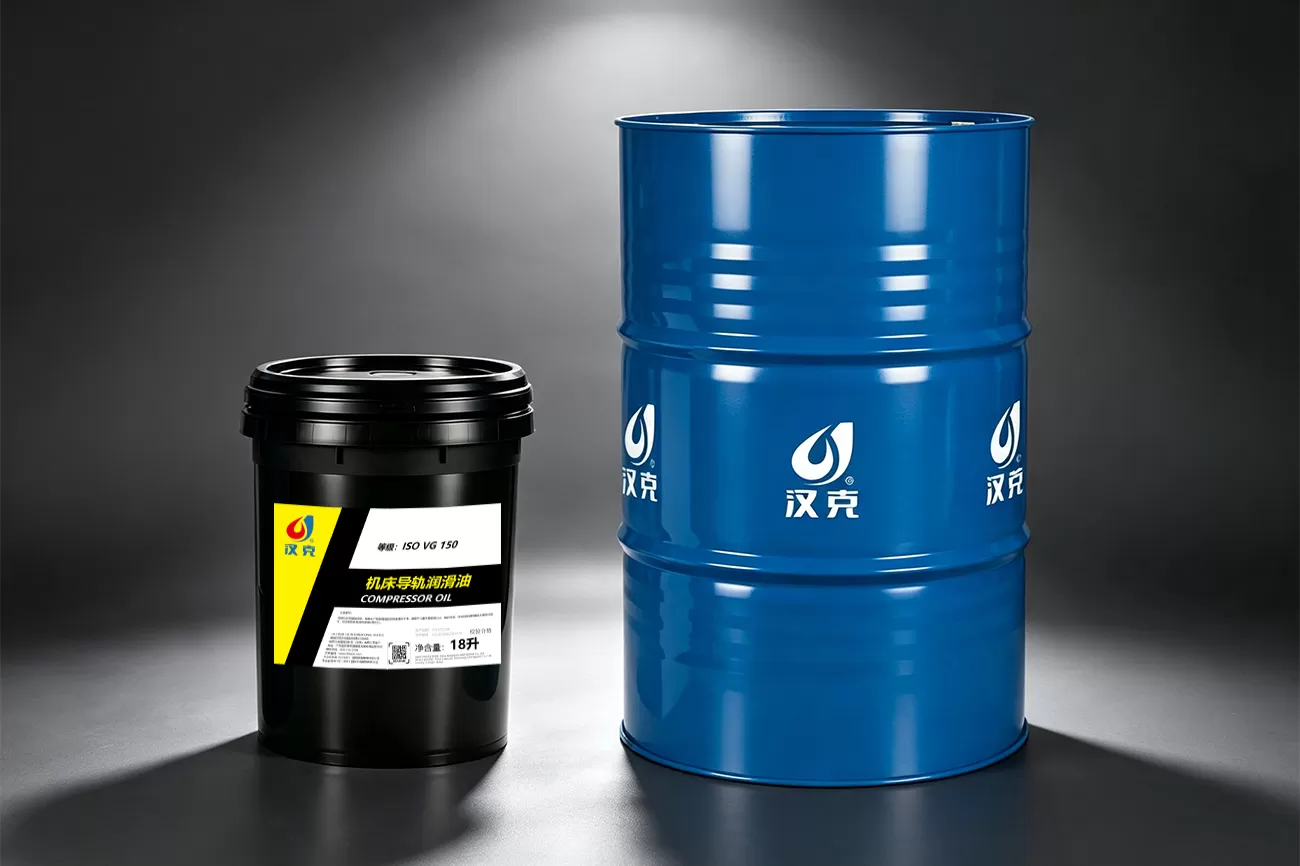

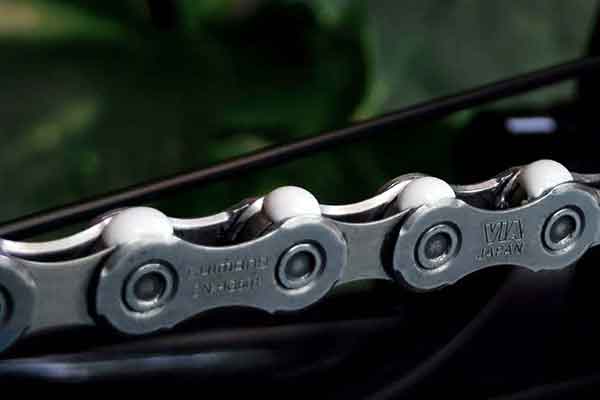

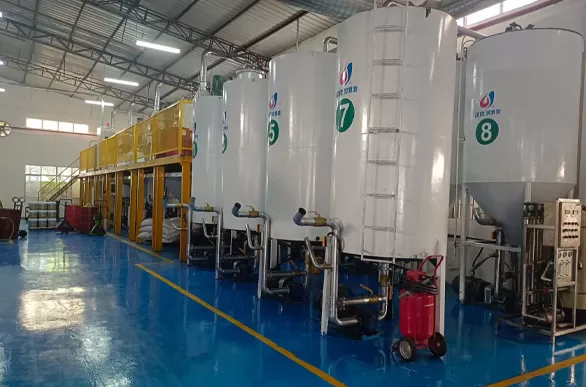

In the field of metal processing and manufacturing, rust prevention between processes is always a link that cannot be ignored. From rough off-line, machining, turnaround storage, to final assembly pre-treatment, the metal surface may rust due to humid air, hand sweat, cutting fluid residue or ambient temperature difference between each process. Rust not only affects the appearance of the product, but also destroys the dimensional accuracy, leads to an increase in the scrap rate, and even causes batch quality accidents. The traditional anti-rust method between processes often faces pain points such as thick oil film, difficult cleaning, unstable anti-rust period, and high environmental pressure. The emergence of Hank BS-400 series anti-rust oil provides a simpler and more efficient answer to this problem that has long plagued the industry.
First, the real challenges facing rust prevention between processes
Many machining companies have had similar experiences: a batch of finished parts was left in the workshop for three days, and fine red rust spots appeared on the surface; or when a certain part was assembled, it was found that the mating surface was seriously rusted and had to be reworked. The root cause of these problems is often not the rust inhibitor itself, but the dynamics and complexity of rust prevention between processes. Rust prevention between processes is not a one-time long-term storage. It needs to deal with frequent circulation, short-term storage, alternation of various environmental conditions, and subsequent cleaning and assembly requirements.
Although the traditional thick oil anti-rust oil has strong anti-rust ability, the oil film layer is thick, and the parts drip oil and stick ash after taking them out, which not only affects the cleanliness, but also consumes a lot of solvents and labor for subsequent degreasing cleaning, and is easy to leave oil spots. Although the water-based anti-rust liquid is easy to clean, the anti-rust period is short, the effect on complex cavities and stacked parts is not good, and it is easy to leave white frost or salt flowers after drying. Gas-phase anti-rust materials have higher packaging requirements, and the anti-rust effect quickly decays after unpacking. These traditional solutions either sacrifice the convenience of operation or the reliability of anti-rust, which is difficult to do both.
The Hank BS-400 series is developed in response to these pain points. It adopts an advanced composite anti-rust system, using low-viscosity refined base oil as a carrier, forming a dense adsorption film on the metal surface through polar groups, and adding special vapor phase corrosion inhibition components to achieve comprehensive protection for steel, cast iron, galvanized parts and other materials. This series of products has fully considered the complexity and flexibility of application scenarios between processes at the beginning of the design, and strives to achieve the best balance between rust resistance, workpiece cleanliness, and next process compatibility.
Second, the core value of the Hank BS-400 series: simplicity
The BS-400 series first solves the problem of "simplicity". The simplicity here is reflected in the convenience of use, the smoothness of the process and the reduction of management costs.
From the perspective of use, the BS-400 series has moderate viscosity and excellent permeability. It can be soaked, sprayed, or brushed. For small batches of complex parts, workers dip a small amount of oil with a brush, gently apply it again, and the oil can quickly spread and penetrate into the threaded holes, blind holes and mating surfaces without special heating equipment or special tooling. For large-scale assembly line operations, simple oil immersion tanks can be configured. After cleaning and drying, the parts are directly immersed in the oil tank for a few seconds, and then drained after removal. The oil has good fluidity at room temperature, and the operating temperature is safe. There is no need to worry about the safety hazards caused by high temperature volatilization.
The fast drying and film-forming speed is another major manifestation of the "simplicity" of the BS-400 series. After the workpiece is dipped, a thin layer of oil film can be surface-dried in a few minutes, without forming a sticky and heavy layer on the surface of the part. This allows the part to be transferred to the next turnaround process faster, avoiding the long waiting time that leads to a drop in productivity. At the same time, the ultra-thin oil film means lower fuel consumption - the oil consumption per unit area is only one-third to one-fifth of that of traditional thick oil products, and the comprehensive anti-rust cost is lower.
The simplification of the cleaning process cannot be ignored either. The reason why many companies resist the use of anti-rust oil is because of the trouble of cleaning in the back. The BS-400 series adopts an easy-to-clean formula. Before assembly, the parts only need to be cleaned with a conventional degreaser or a cleaning agent without strong alkali for a short time, and the oil film can be quickly emulsified and peeled off, leaving no residual oil or staining color marks. In some cases with low requirements, even hot water and a small amount of cleaning agent can be used to achieve the cleaning effect, significantly reducing the amount of cleaning agent and sewage discharge.
In addition, the BS-400 series has a mild odor and does not contain harmful substances such as phenol, halogen, and nitrite, which improves the air quality of the workshop. Workers do not have to endure pungent odors or wear heavy protective equipment when operating. This user-friendly design indirectly improves work efficiency and employee satisfaction, and reduces hidden quality problems such as artificial saving processes and poor rust prevention due to "unwillingness to use, dirty and smelly".
III. Reliability of the Hank BS-400 series: efficient rust prevention
Simplicity does not equal compromise. The BS-400 series guarantees efficient and reliable anti-rust performance while being "simple". It has a multi-level anti-rust mechanism. The first layer is the adsorption film: polar anti-rust agent molecules are tightly adsorbed on the metal surface in the form of single or multi-molecular layers to isolate moisture, oxygen and corrosive ions. The second layer is the shielding film: low viscosity base oil forms a continuous oil film on the metal surface, effectively blocking the penetration of electrolyte. The third layer is the gas phase corrosion inhibition component: under relatively airtight packaging or stacking conditions, the corrosion inhibition molecules evaporate slowly and reach the gaps and blind holes that are difficult to cover by the oil film to form supplementary protection.
This multi-layered synergy mechanism allows the BS-400 series to perform well in harsh environments such as humidity, high salt spray, and alternating temperature. Under typical indoor storage conditions, the BS-400 series can provide at least 6 to 12 months of anti-rust protection between processes. Even after long-distance transportation or cross-regional circulation of parts, the anti-rust effect is still stable and reliable. For workpieces that need to be exported by sea or across different climate zones, the BS-400 series can also effectively resist the erosion of salt spray and condensation, greatly reducing the rust complaint rate of exported parts.
In terms of material adaptability, the BS-400 series can adapt to the sensitivity of different metals by adjusting the formula model. For example, for cast iron parts, choose models with excellent permeability to prevent "corner rust" due to residual moisture in thin-walled parts; for galvanized sheets, choose models with neutral or weakly alkaline formulas to avoid "white rust" in the zinc layer; for aluminum and aluminum alloy parts, you can choose special models without chlorine and sulfur additives to prevent galvanic corrosion or oxidative discoloration. This precise matching ability allows companies to no longer need to stock a variety of anti-rust oils for different materials, simplifying inventory management.
IV. Optimization of production rhythm and process convergence
The Hank BS-400 series deeply understands the role of rust prevention between processes in a manufacturing system: it should not be an isolated link, but a seamless bridge to the front and rear processes. Therefore, the BS-400 series helps companies optimize the entire production rhythm through technological innovation.
In the machining process, residual cutting fluid is the enemy of anti-rust. The wettability and penetration ability of the BS-400 series allows it to effectively replace the water film and residual cutting fluid on the surface of the part, and deliver the anti-rust agent directly to the metal matrix. This means that the part does not need to go through complex strong drying and high temperature baking. It only needs to be drained and immersed in anti-rust oil to establish a reliable anti-rust protective layer, shortening the time between processes and reducing the energy consumption of equipment.
In the storage and transfer process, parts coated with BS-400 series can be stacked and stored directly in the ordinary turnover box. Due to the thin and uniform oil film, there will be no phenomenon of oil accumulation at the bottom and dry film at the top due to gravity dripping like traditional anti-rust oils. This allows multiple batches of parts to be placed more tightly, making full use of warehouse space. At the same time, the impact of thin oil film on subsequent welding, gluing, assembly and other processes is also greatly reduced. Many sheet stamping parts and precision mating parts can be directly entered into the assembly process with BS-400 series films without midway cleaning, which not only shortens the production cycle, but also avoids the risk of secondary rust caused by excessive cleaning.
More importantly, the BS-400 series helps enterprises implement standardized anti-rust management. Parts of different models and different anti-rust requirements can be controlled and traceable by selecting a unified BS-400 series of products with standardized process parameters and operating standards. When anti-rust operations become simple and reliable, front-line employees are more willing to strictly implement operating standards, and quality inspectors are more likely to quickly judge the state of the anti-rust film through visual or instrumentation, thereby effectively reducing the chaos of "anti-rust dead angle" and "excessive anti-rust".
V. Harmonization of economic efficiency and environmental responsibility
In today's pursuit of cost reduction and efficiency, the cost of anti-rust between processes is often underestimated. On the surface, the unit price of anti-rust oil is not high, but the actual total cost includes material consumption, man-hour investment, cleaning costs, waste liquid treatment, scrap and rework losses due to rust, and loss of reputation caused by customer complaints. The ultra-thin oil film design of the Hank BS-400 series directly reduces the amount of material used; easy cleaning performance reduces cleaning agent and heating energy consumption; excellent rust prevention reliability reduces waste and rework; low odor and low toxicity reduce occupational health and safety costs. The reduction of these hidden costs makes the comprehensive economic benefits of using the BS-400 series significantly better than traditional rust prevention solutions.
Taking an enterprise with an annual output of 5 million precision mechanical parts as an example, if the Hank BS-400 series is used instead, under the same anti-rust requirements, the oil consumption is expected to be reduced by more than 40%, the cleaning time and energy consumption are reduced by about 30%, and the rust rate of parts is reduced from one thousandth of the past to less than one thousandth of the past. The annual comprehensive cost savings are hundreds of thousands of yuan. Such an improvement is invaluable in the highly competitive manufacturing industry.
At the same time, environmental regulations are becoming increasingly strict, and green manufacturing has become an industry trend. Hank BS-400 series does not contain heavy metals, nitrites and halogenated hydrocarbons, and meets the requirements of international environmental protection standards such as RoHS and REACH. Its biodegradability is good, even if a small amount of waste oil enters the conventional industrial wastewater treatment system, it will not cause significant inhibition to the biochemical treatment process. Choosing the BS-400 series allows enterprises to better fulfill social responsibilities and enhance their environmental protection image while optimizing the anti-rust process.
Application scenarios and selection suggestions
Hank BS-400 series is widely used in anti-rust between processes in automotive parts, construction machinery, bearings and gears, hydraulic components, precision casting and other industries. Specifically, it includes: short-term turnover and anti-rust of cast iron parts such as engine blocks, crankshafts, connecting rods; anti-rust of machined parts such as gear shafts and spline shafts working in progress; anti-rust before warehousing of stamped sheet metal parts, fasteners and hardware; and temporary anti-rust of parts in maintenance.
When selecting a specific model, it is recommended to comprehensively consider key factors such as the anti-rust period, storage conditions, and subsequent processes. If the anti-rust period of the part is 1 to 3 months and subsequent assembly is required directly, the BS-400A type can be selected, which has ultra-thin oil film and excellent cleaning performance. If the anti-rust period of the part requires more than 6 months or needs to be shipped across regions, the BS-400B type is selected, which enhances the resistance to salt spray and moisture and heat. For cast iron parts or deep hole parts, the BS-400C type can be selected, and its permeability and water replacement performance are more prominent. In addition, Hanke also offers a combination of anti-rust and lubrication products, suitable for parts that need short-term anti-rust and are stored inside the engine for final assembly. Such products do not require cleaning and can directly participate in lubrication operations, providing more convenience for flexible manufacturing.
When enterprises import the BS-400 series, there is no need to significantly modify the existing equipment. General oil immersion tanks, spray cabinets or manual operation desks can be used directly. It is recommended to verify the anti-rust process of existing parts before implementation to determine the appropriate amount of oil, drain time and packaging method. At the same time, establish a regular inspection system to monitor the concentration of moisture, impurities and anti-rust agents in the oil to ensure the long-term stability of the anti-rust performance in the oil tank. Hank's technical team can also tailor anti-rust programs according to customer needs and provide on-site technical services to help enterprises quickly realize process switching.
Make rust prevention between processes a value creation point
Interprocess rust prevention may seem like a green leaf supporting role in the processing chain, but in fact it directly affects product quality, delivery cycle and customer satisfaction. The mission of the Hank BS-400 series is to "make interprocess rust prevention easier and more efficient". Through continuous technological innovation, complex corrosion protection problems are simplified into standardized operation steps, and passive remedial rust prevention is transformed into an active value creation process.
In the context of intelligent manufacturing and high-quality development, companies' attention to anti-rust processes should not stop at the low-level requirements of "just rust". What they need is an integrated solution that is reliable, economical, environmentally friendly and labor-saving. The Hank BS-400 series is just such a solution. It makes rust prevention no longer a bottleneck, and every part that passes through the process is carefully protected, making the manufacturing process smoother. Ultimately, this "simple" anti-rust method brings real and efficient output to the enterprise. Choosing the Hank BS-400 series is not only to choose a high-quality anti-rust product, but also to choose an advanced production management concept, so that rust prevention between processes becomes truly simple, efficient and trustworthy. In the increasingly fierce market competition, such detail improvement is often the watershed between outstanding enterprises and ordinary enterprises. The Hank BS-400 series escorts every process of metal processing with professional quality, allowing ingenuity and intelligence to avoid corrosion and allow quality delivery to come naturally.