

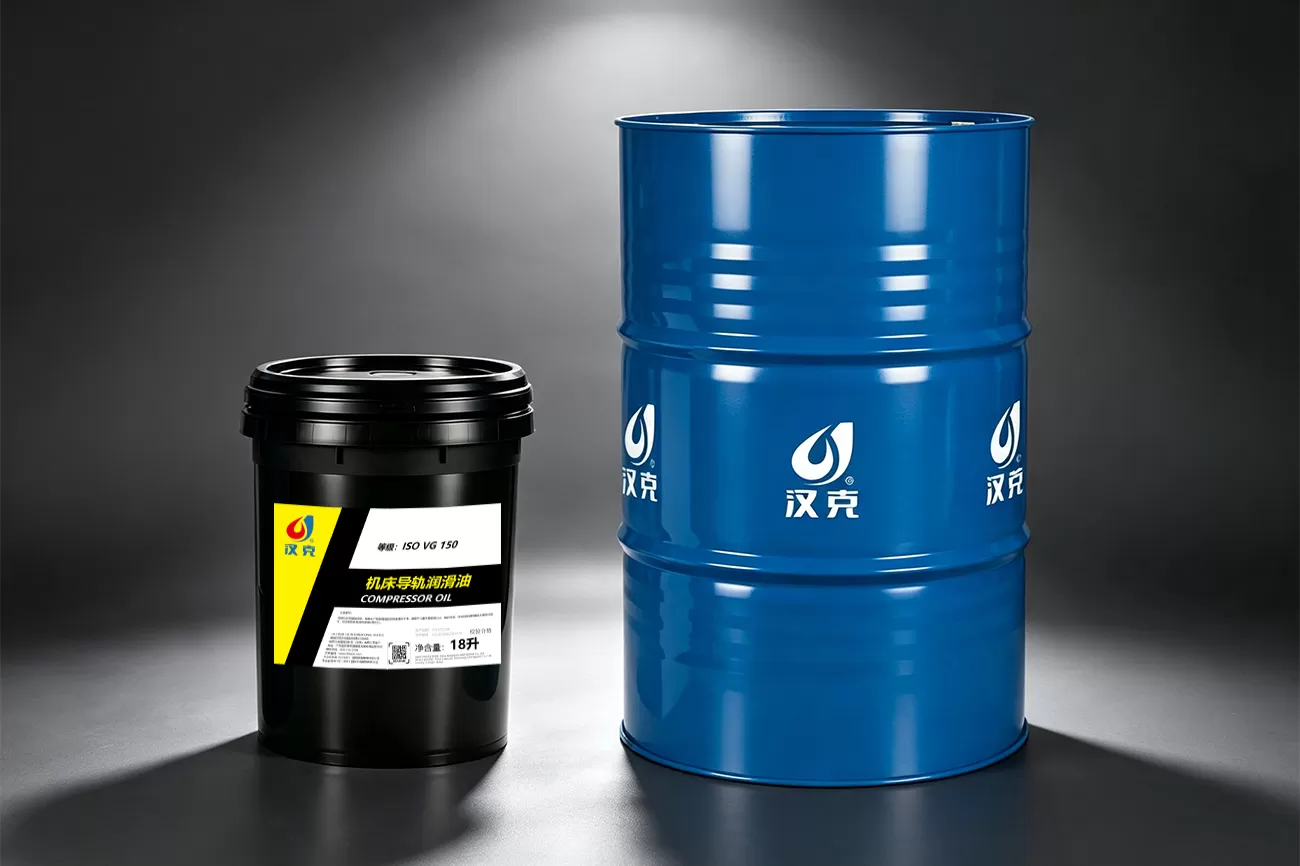
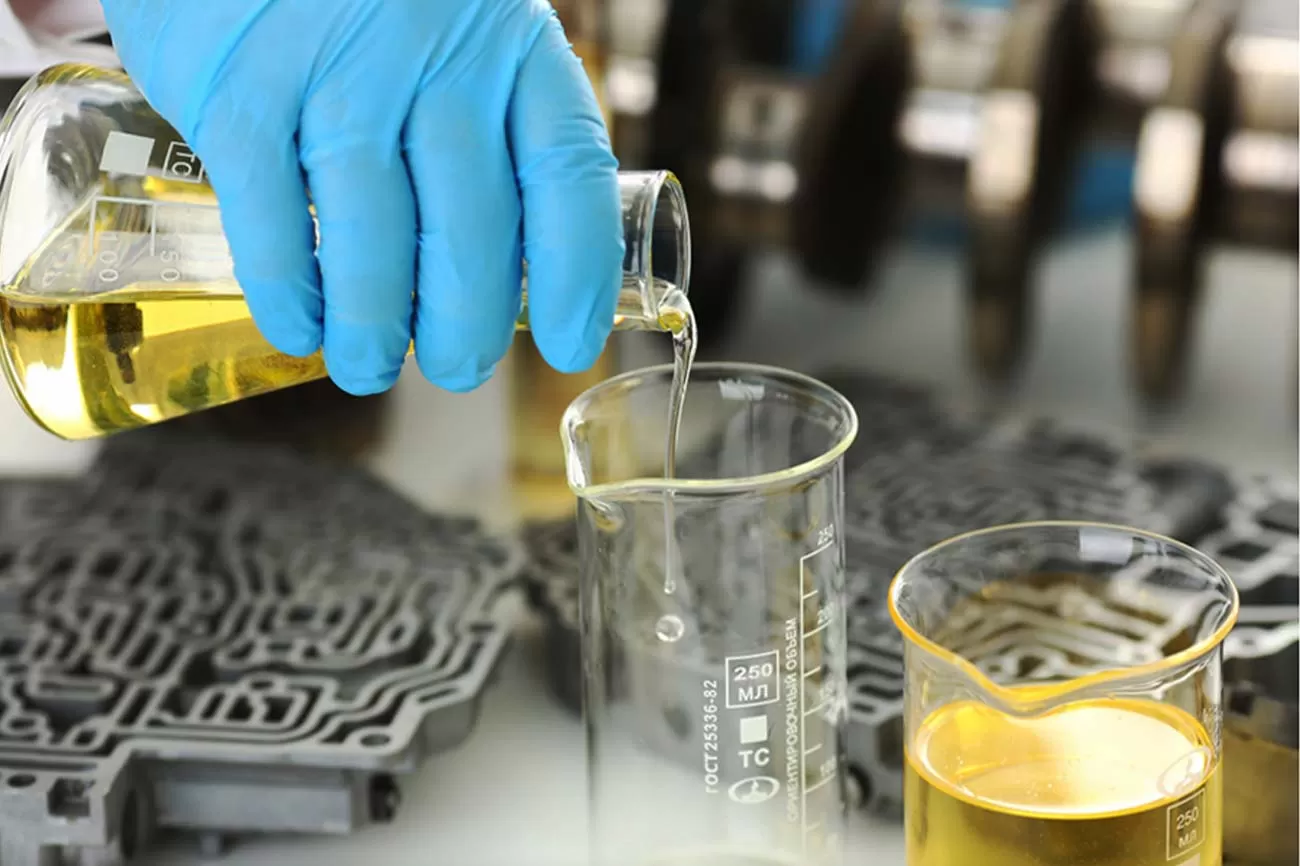
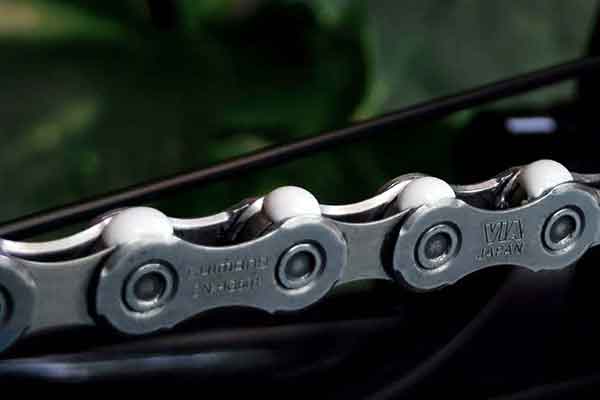

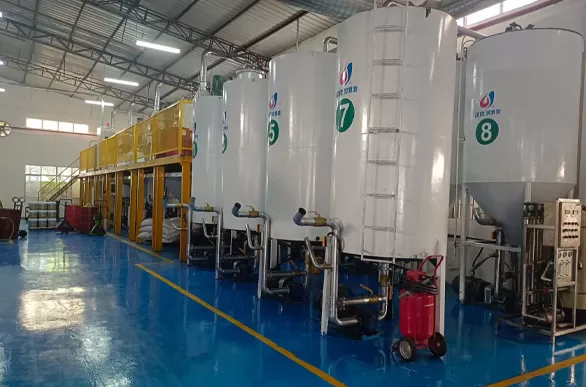
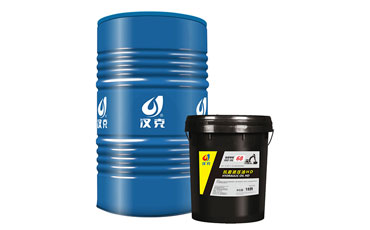
In the modern high-end manufacturing industry, the machining accuracy of precision parts often reaches the level of microns or even sub-microns. However, many companies often suffer huge losses due to a seemingly inconspicuous link after completing processes such as turning, milling, grinding, and electric sparks: parts rust after cleaning, assembly or packaging. This stage is called the "last kilometer of rust prevention". It is neither the overall protection of the raw material stage nor the long-term rust prevention of the finished product storage. It is a critical window period for parts to be in a "bare part" state and stay in the workshop environment for a short or short time. Hank BS-400 series rust prevention products are professional solutions developed for this pain point.
Why is the "last mile" so dangerous?
The so-called "last mile" refers to the time when the precision part is finished from the final processing, cleaned, dried, tested, transported, and temporarily stored until it enters the assembly or packaging line. The surface of the part at this stage is often in a highly active state: the metal substrate has just been cut or ground, the surface roughness is low, the residual stress distribution is complex, and trace amounts of cutting fluid, hand sweat, water vapor or cleaning agent may remain. More importantly, the temperature fluctuations and relative humidity changes that are prevalent in the workshop environment make it easy for moisture to condense on the surface of the part to form a microscopic water film. According to relevant studies, when the relative humidity exceeds 65%, the corrosion rate of the clean metal surface will be significantly accelerated.
Unlike long-term storage and anti-rust, "last mile" anti-rust cannot rely on heavy anti-rust grease or complex multi-layer packaging. Because parts are soon to be assembled, measured or further processed, if the anti-rust layer is too thick and oily, it will not only adhere to dust and chips, but also affect the size and assembly efficiency of precision mating surfaces. More seriously, the residues of traditional anti-rust oils may interfere with subsequent welding, gluing or electronic contact performance. Therefore, the anti-rust products required at this stage must meet the dual demanding requirements of "strong anti-rust ability" and "easy to remove and do not affect the post-process".
Second, the product logic of the Hank BS-400 series
The Hank BS-400 series is a functional anti-rust oil product developed based on solvent volatilization film-forming anti-rust technology. It is different from ordinary mineral oil anti-rust oils. Its core design concept is to quickly form an extremely thin protective film with directional adsorption on the metal surface. This film relies on polar groups to generate strong physical and chemical adsorption on the metal surface, effectively isolating water molecules, oxygen molecules and corrosive ions from the metal matrix. Due to the extremely thin film (usually only a few microns), it does not change the dimensional tolerances of precision parts, nor does it cause liquid accumulation or residual problems in complex structures such as threads, blind holes, and miniature bearings.
The BS-400 series is divided into several models depending on the application scenario. For example, the BS-401 is suitable for rust prevention between processes of standard precision machined parts, and the rust prevention period can be up to 30 to 90 days; the BS-403 is suitable for high humidity, marine climate or parts that require a longer turnaround cycle, and the rust prevention period can be extended to more than 180 days; the BS-408 is an environmentally friendly formula with low aromatics and low odor, suitable for use in electronic assembly workshops or clean rooms with limited ventilation conditions. Each product has undergone rigorous salt spray testing, damp heat testing and lamination rust prevention testing to ensure stable performance under harsh conditions.
III. Seamless connection from the cleaning line to the assembly line
In practical workshop applications, the most outstanding value of the Hank BS-400 series is reflected in its change of the "cut" state of traditional anti-rust operations. In the past, operators often used the method of dipping and coating anti-rust oil. The oil film on the surface of the parts was thick and uneven, and a large amount of cleaning agent was required to degrease again before assembly, which increased the process cost. After using the BS-400 series, enterprises can directly integrate the anti-rust link into the end of the cleaning and drying line: after the parts are finally water-based cleaned and dried by hot air, when the temperature is still slightly higher than room temperature, the BS-400 diluent is coated by soaking or spraying. After the solvent evaporates rapidly, a uniform transparent protective film is left on the surface without wiping. The film layer dries quickly and can directly enter the inspection station or assembly rack.
What is more noteworthy is the "friendliness" of the BS-400 series during assembly. If ordinary anti-rust oil is not cleaned, it will mix with lubricating oil or grease, reduce lubricating performance, and even cause the bearing to slip or get stuck. The dry film or semi-dry film of BS-400 can be directly absorbed or compatible with the grease in most cases without special cleaning. Even if it needs to be removed, it can be completely removed by using ordinary petroleum solvents or alkaline cleaning agents without leaving any viscous substances. This feature allows the factory to streamline a degreasing process, significantly improve production efficiency, and reduce waste liquid emissions at the same time.
Fourth, the "micro battlefield" for rust prevention of precision parts
To truly understand the performance advantages of the BS-400 series, we must go back to the microscopic mechanism of metal corrosion. Corrosion on the surface of steel originates from the microbattery effect. When oxygen and trace electrolytes are present in the water film, iron atoms lose electrons to become iron ions, while oxygen accepts electrons in the cathode region to form hydroxide ions. This electrochemical process is particularly active at the microcracks, grain boundaries, or inclusions on the surface of the part. The rust inhibitor molecules in the BS-400 series contain long-chain alkyl groups and polar carboxyl or amine groups, which are firmly adsorbed on the metal surface like "anchors" to form a molecular layer arranged in an orientation. This molecular layer is hydrophobic and prevents water molecules from approaching the metal; at the same time, its dense network of alkyl chains hinders the diffusion of oxygen and ions. The multi-component compounding technology enables polar molecules of different structures to form a three-dimensional network protective layer on the metal surface, and its protective efficiency is much higher than that of a single corrosion inhibitor.
In addition, the BS-400 series is specially added with acid-resistant modification ingredients. Trace amounts of sulfur, chlorine and other elements often remain on the surface of precision machined parts, which come from cutting fluid or extreme pressure additives. These substances hydrolyze in the presence of moisture, resulting in acidic micro-regions and accelerating corrosion. The pH buffer system of the BS-400 can neutralize trace amounts of acidic substances, so that the pH value of the interface is maintained in the passivation range, further reducing the tendency of corrosion. For different substrates such as cast iron, alloy steel, bearing steel and galvanized parts, the BS-400 series has corresponding special products to ensure the accuracy and reliability of "last mile" protection.
V. Cost Perspective: The Hidden Benefits of Anti-rust "Last Mile"
Many business decision-makers regard anti-rust oil as a "high-consumption, low-tech" accessory material, preferring cheap alternatives. However, the loss caused by rust often far exceeds the procurement cost of anti-rust oil. If the inner ring of a precision bearing is scrapped due to rust, the material cost may only be a few tens of yuan, but plus the processing fees, inspection fees, management costs and delivery delays in the previous process, the loss may reach hundreds or even thousands of yuan. What's more terrifying is that if rust is not detected in time, the parts will lead to early failure of the equipment after flowing into the assembly, and even lead to quality accidents and brand reputation crises.
Although the unit price of Hank BS-400 series is slightly higher than that of traditional low-end anti-rust oil, its ultra-thin film thickness means that the coating area per kilogram of product is larger. According to actual usage data, the traditional oil immersion method can only treat about 30 square meters of surface area per kilogram, while the BS-400 series can handle 80 to 120 square meters per kilogram after dilution. The comprehensive unit cost does not rise but decreases. At the same time, due to the elimination of the cleaning link before assembly, the cost of cleaning agent, labor and wastewater treatment is saved. Roughly calculated, a medium-sized precision parts processing line, using the BS-400 series can save 15% to 25% of the comprehensive anti-rust cost for enterprises every year, while reducing the rust rate from a few parts per thousand to less than one part per thousand.
Corporate practice: the transition from "frequent rust" to "zero defect"
A company that produces precision hydraulic valve bodies has been plagued by rust between processes for a long time. The valve body is made of 45 steel modulation treatment, and the internal channels are complicated. After cleaning, there is a short turnaround, and pitting often occurs on the inner wall of the valve hole. Since the valve hole is a sealed mating surface, any small rust point will lead to leakage, and the product pass rate once hovered around 92%. The company has tried methods such as increasing the concentration of the cleaning liquid, increasing the drying time, and switching to gas phase anti-rust paper, but the effect is limited. The gas phase anti-rust paper is effective in the sealed package, but the bare turnaround stage is not helpful. Eventually, engineers introduced Hank BS-408 environmentally friendly anti-rust agent, adding a room temperature dip coating device at the end of the cleaning line, diluting it 1:3 with the stock solution and solvent, soaking it for 10 seconds and then draining. The improved results were surprising: the valve body did not appear any rust within 7 days of the workshop turnover, no cleaning was required before assembly, and the sealing ring was directly pressed, resulting in good adhesion on the mating surface. The final pass rate was increased to more than 99.5%, and the air quality in the workshop was also improved due to the low-odor formula.
Another typical case comes from the precision gear grinding industry. After gear grinding, the surface roughness reaches Ra0.4, the tooth surface temperature is high, and the residual grinding fluid is prone to form stubborn stains and micro-rust at the tooth root. Using BS-403 as short-term protection after grinding, the extreme pressure and wear resistance of the film layer also unexpectedly reduces the tooth surface collision damage when the workpiece is stacked in the turnover box. Customer feedback, BS-400 series is not only an anti-rust agent, but more like an invisible "soft armor", which protects the precision surface during transportation.
How to use the BS-400 series correctly
To give full play to the maximum efficacy of the BS-400 series, it is necessary to follow scientific operating norms. First of all, the workpiece should ensure that the surface is clean before entering the anti-rust process, with no metal chips, no emulsion residue, and no fingerprints. After cleaning, it should be fully dried to avoid bringing the water film into the anti-rust oil tank. For parts with complex shapes, it is recommended to use the dipping method, and appropriate shaking or ultrasonic assistance to ensure that the blind holes and grooves are completely wetted. After soaking, it should be hung vertically and drained to avoid liquid accumulation in the groove. During use, the concentration of anti-rust oil and the degree of pollution should be regularly tested. When the active ingredient of the anti-rust agent decreases or the number of impurity particles increases, it should be replenished For long-term turnover parts, it is recommended to cooperate with anti-rust packaging, such as VCI vapor phase anti-rust film, to form "oil film + vapor phase" dual protection, and the anti-rust period can be extended to more than one year.
It should be specially reminded that different metal materials have different adaptations to rust inhibitors. For example, copper, aluminum and their alloys are sensitive to certain acidic rust inhibitors and are prone to discoloration. The special models for non-ferrous metals in the Hank BS-400 series use a different combination of corrosion inhibitors than steel rust prevention, which can effectively prevent the formation of patina and aluminum white spots. Therefore, users should consult the Hank technical team for selection according to the workpiece material, processing method, rust prevention cycle and follow-up process, and do not blindly mix them.
VIII. Quality control and certification
The production of the Hank BS-400 series follows a strict quality management system. All batches of products are required to pass a number of performance tests before leaving the factory, including salt spray test (according to ASTM B117 standard), damp heat test (according to GB/T 2361 standard), lamination test, human sweat replacement test, corrosive test and film thickness determination. The products have passed SGS environmental protection testing, meet the requirements of RoHS and REACH regulations, and do not contain nitrite, barium, and halogen additives. Its flash point, ignition point and other safety indicators also meet industrial safety standards, and the storage and use process is stable and reliable.
In addition, Hanke relies on its own technical team to provide "anti-rust audit" services. Engineers will go to the customer's site to analyze the whole process link such as cleaning line, drying temperature, turnaround time, environmental humidity, packaging method, etc., and formulate a customized anti-rust plan. This service model from "selling products" to "selling system solutions" is the core reason why the Hanke brand is widely recognized in the field of precision manufacturing.
The future trend of the last mile
With the advancement of intelligent manufacturing and green manufacturing, the "last mile" of rust prevention for precision parts is undergoing technological changes. On the one hand, environmental protection regulations are becoming increasingly strict, and volatile organic compound emissions are restricted, which promotes the development of rust-proof oils towards high flash point, low odor and water-based. Hank BS-400 series has laid out bio-based solvent-based products, whose carbon footprint is about 30% lower than that of traditional petroleum solvents. On the other hand, online detection technology has begun to be applied to real-time monitoring of rust-proof film quality. Through infrared spectroscopy or fluorescent tracers, it can automatically determine whether the film thickness is uniform and the coverage rate is up to standard.
The future of rust prevention is no longer just about protecting metals, but also a part of the whole process of digital quality control. The Hank BS-400 series is cooperating with the Industrial Internet of Things to develop anti-rust products with smart labels, which can record the temperature and humidity changes experienced by parts through micro sensors, providing data support for quality traceability. It is foreseeable that in the fields of high-end equipment, new energy vehicles, aerospace and precision instruments, the "last mile" of precision parts will become more controllable, visible and environmentally friendly.
The Hank BS-400 series is not just a barrel of anti-rust oil, it embodies the wisdom of anti-rust science, surface engineering and lean production. It keeps every inch of metal surface in the precision manufacturing process in the cleanest and sharpest state of life before waiting to be given the final function. Choosing the Hank BS-400 series is to create a solid and transparent "micro-wall" for your precision parts, firmly guarding the last kilometer of anti-rust.