


Effective lightweighting relies on high-performance lubricants
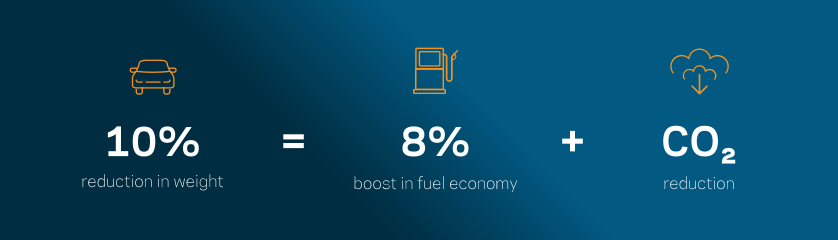
Regulatory requirements and consumer demand are driving automakers and suppliers to explore strategies to improve fuel economy. Global industry leaders must reduce CO2 emissions and increase efficiency without sacrificing safety or performance.
Lightweighting, the process by which light cars and trucks are made, is used to help carmakers meet increasingly stringent fuel economy and emissions standards. However, lightweighting also poses design challenges because it requires components made of different materials - such as chassis and body parts - to work together seamlessly.
Achieving this integration requires special lubricants. Because the components must also work effectively in hot topic environments, more effective and durable lubricants are required.
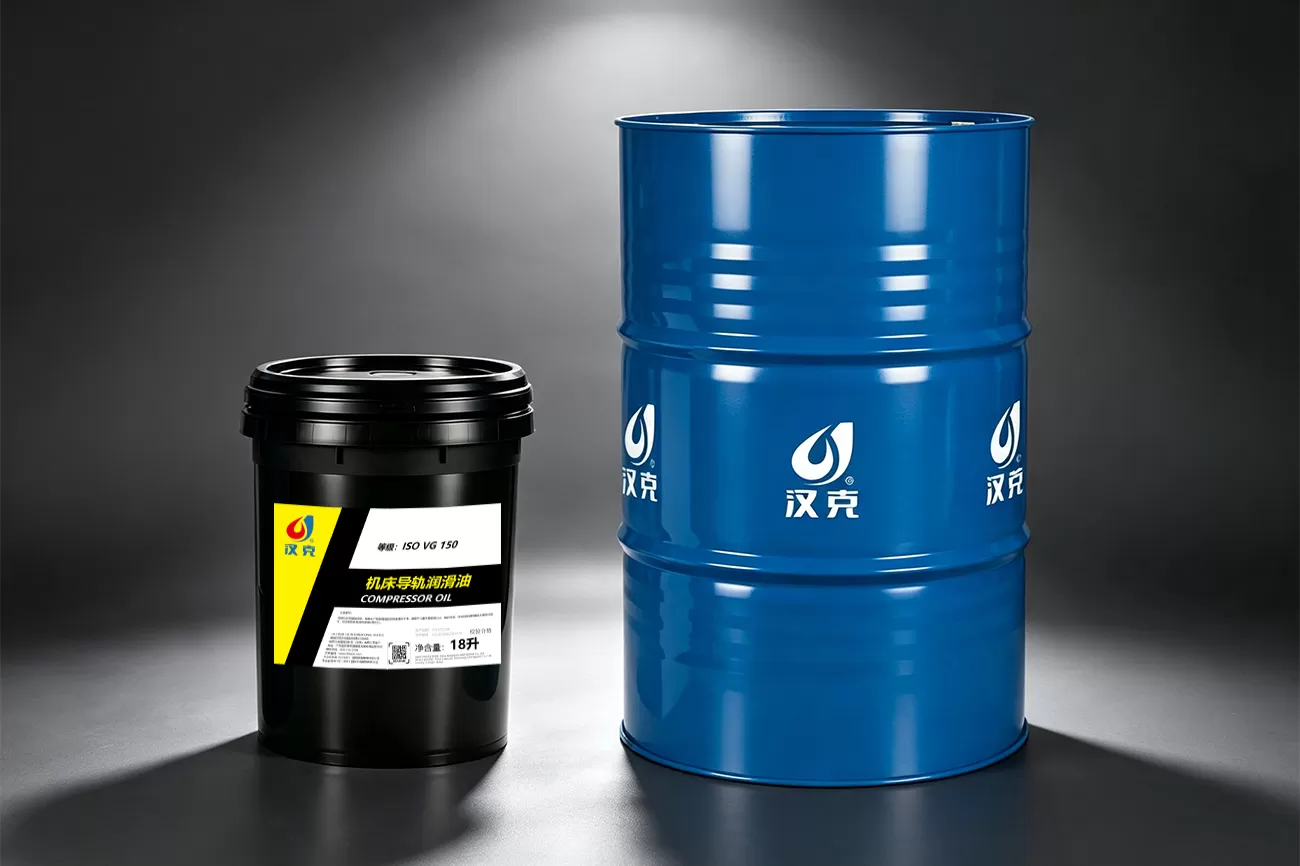
This white paper describes the lubrication challenges posed by lightweighting and how to use high-performance, Hank lubricants to ensure optimum performance, reduce failures, reduce friction, and enhance durability.
Download our white paper, "High Performance Lubricants: Solutions for the Increasing Demand for Lightweighting," to gain a better understanding of how industry-leading Hank Lubricants can facilitate lightweighting processes without sacrificing the quality and performance of parts and materials.