



In the field of metal processing and warehousing and logistics, rust prevention has always been an unavoidable pain point. Whether it is precision bearings, rack and pinions, or molds and fasteners, once the surface rusts, it will affect the dimensional accuracy at best, and cause the entire component to be scrapped at worst, and even cause equipment failure and safety hazards. There are a variety of anti-rust products on the market, including volatile anti-rust oil, replacement anti-rust oil, solvent dilution anti-rust oil, water-based anti-rust agent, vapor phase anti-rust paper, etc. In the face of parts of different materials, different processes, and different storage cycles, which type of product should be selected? Is there a "golden oil" product that can adapt to a variety of working conditions, has both anti-rust and lubrication, and is easy to use? Recently, a Hank BS-400 series anti-rust oil has been introduced into the processing workshop we have been in contact with for a long time. After more than two months of actual testing and comparison, we will conduct a comprehensive and in-depth evaluation of it today.
First, product positioning and initial impression
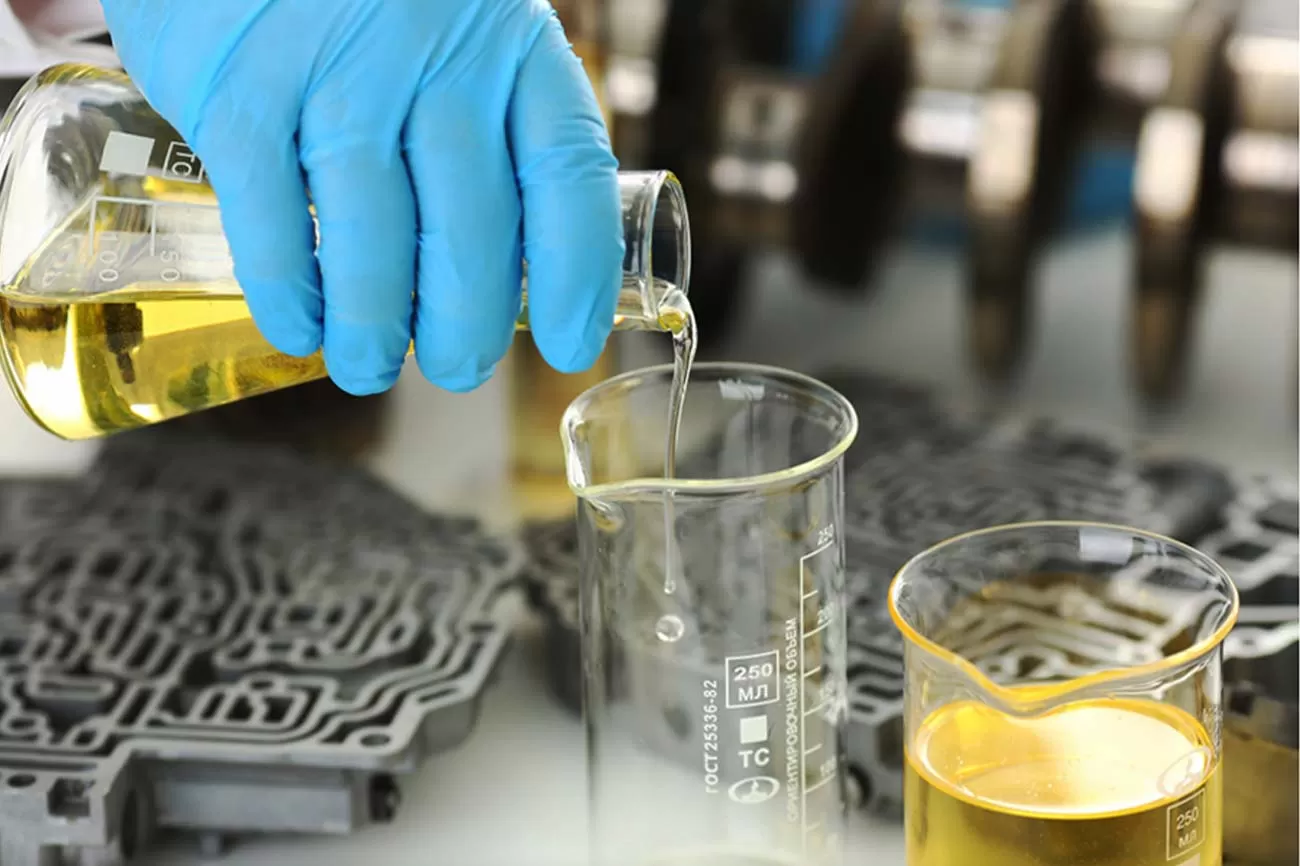
The Hank BS-400 series is not a single model, but a family of anti-rust oils covering different viscosity and different film-forming characteristics. From the naming point of view, the BS-400 belongs to the product line of medium protection grade, mainly for rust prevention between metal parts processes, short-to-medium-term inventory rust prevention and storage rust prevention before sea export. The two most common specifications of this series are BS-401 (low viscosity quick drying type) and BS-402 (medium viscosity general purpose type). The test samples we got were BS-402 standard barrels. The appearance was amber transparent oil, the fluidity was between motor oil and hydraulic oil, the smell was light, and there was no pungent solvent smell of traditional anti-rust oil. This is especially friendly in closed workshops. When initially applied by hand, the oil film is thin and uniform, slightly oily to the touch, but does not drip, indicating good adhesion.
Second, the core principle and component analysis of rust prevention
To understand why BS-400 can become a "panacea", we must first look at its mechanism of action. According to official data, the BS-400 series uses a composite sulfonate rust inhibitor and a polymer film-forming agent compounded technology, supplemented by antioxidants and wetting dispersants. Composite sulfonates are a classic oil-soluble anti-rust additive, which can form a firm adsorption film with the metal surface to isolate metal ions from the corrosive medium. More importantly, sulfonates also have certain polar groups, which can preferentially adsorb on the metal surface, replacing water and salt, showing excellent "displacement". In layman's terms, this anti-rust oil can not only form a film on a clean surface, but also penetrate and wrap on a slightly rusted or wet surface, "squeezing out" the moisture, so as to achieve border protection while repairing.
Another key is the choice of film-forming agent. The BS-400 uses a self-drying soft film system. After the solvent evaporates at room temperature, the oil film forms a dense protective layer with a thickness of only a few microns. This layer is not brittle like the hard film, nor is it easy to lose like the ordinary mineral oil film. It is both soft and self-healing. When the oil film is scratched by a hard object, due to the flow properties between molecules, the film will slowly re-heal and continue to cover the exposed spot. It is this "soft film self-healing" property that allows the BS-400 to maintain the continuity of protection when parts are bumped, stacked, and transported.
Third, the measured performance: salt spray test and hot and humid aging
We refer to the GB/T 10125 standard for neutral salt spray test. Grind the 45 #steel test piece to Ra0.8, wash and dry it, dip it in BS-402, drip oil for 15 minutes, and put it into the salt spray box. Under the conditions of 5% NaCl solution, 35 ° C, and continuous spraying, observe the time when the test piece appears red rust. The results are as follows: the unoiled control group appeared sporadic rust points after 4 hours; the BS-402 test piece was still rust-free after 48 hours, and only slightly rust points at the edge scratches after 72 hours. The surface rust area did not exceed 5% after 96 hours. This data is much higher than the protection level of ordinary anti-rust oil for 24-36 hours, and is close to some mid-to-high-end replacement anti-rust oils. In the humid heat test (temperature 40 ° C, relative humidity 95%), BS-402 maintained no rust for 14 days and performed stably.
In addition, we specially tested the ability of "anti-rust with water". Soak the wet cast iron test piece directly in BS-402, take it out after about 5 seconds, and observe whether the water droplets are drained by the oil. The results are impressive: the oil quickly wetting the surface of the test piece, the water droplets quickly shrink and break away from the metal interface, forming water-in-oil droplets, which then sink under gravity. After standing for 2 hours, the surface of the test piece has no obvious water marks, and there is no rust after 7 days. This shows that the dehydration and replacement ability of BS-400 is indeed excellent, which is very suitable for parts that are not completely dry after cleaning between processes.
IV. Oil film characteristics and subsequent processing convenience
Anti-rust oil is not just as simple as "anti-rust", it also affects the subsequent assembly, painting and welding. How does the BS-400 series oil film perform? We did several key tests. The first is the film thickness and viscosity: measured using a film thickness meter, cured for 24 hours after oiling, the film thickness is between 5-8 microns, which belongs to the category of thin oil film. Press with your finger, there is a slight stickiness, but it does not stick to dust. We placed the oiled parts in the dust environment of the workshop for a week, and there is no obvious dust accumulation on the surface, which proves that the oil film has a certain anti-stain after drying. For precision parts that require clean surfaces, this low adsorption characteristic greatly reduces the cleaning burden.
The second is cleanability. The BS-402 can be easily washed off with a conventional alkaline degreaser, and can be completely degreased by spray or ultrasonic cleaning. We tried to put the oiled test piece in a 60 ° C, 5% NaOH solution, and the oil film was completely peeled off in 3 minutes, exposing a clean metal surface. For non-oily processes, the BS-400 is also solvent-compatible and can be quickly removed with gasoline or hydrocarbon solvents. This means that even if the part needs to go through a subsequent heat treatment or electroplating process, there will be no quality hazard caused by residual anti-rust oil.
Finally, the compatibility with other coatings. We tested the compatibility of BS-402 with water-based paints and powder coatings respectively. The water-based anti-corrosion paint was directly sprayed on the surface of the steel structure coated with BS-400, and it was found that the adhesion of the paint film was slightly reduced, but it was fully qualified after degreasing treatment. Therefore, if the part needs final coating, it is recommended to remove oil before painting, or choose the "solderable type" variant of the BS-400 series (such as BS-403, which deliberately reduces the silicon composition and allows welding without thorough cleaning). This point needs special attention when applying in related industries.
V. The performance of "panacea" in actual working conditions
The evaluation cannot stop at the laboratory. We selected three typical user scenarios to validate the adaptability of the BS-400.
Scenario 1: Auto parts machining workshop. After the workpiece comes down from the numerical control lathe, it has residual cutting fluid and is mixed with iron filings. The traditional practice is to dry it after washing with water, and then apply anti-rust oil, which is a long process and high energy consumption. After switching to BS-402 with the "oil-based cleaning-anti-rust integrated process", BS-402 is directly used as the final cleaning and anti-rust liquid. The chips and most of the cutting fluid are rinsed off by spraying, and the water is removed by the replacement of the oil, and then drained. The treated parts are stored in the turnover box for 4 weeks without rust. According to the feedback from the workshop, this solution saves the drying process, shortens the beat, and the anti-rust cost is the same as the original. However, it should be noted that BS-402 cannot replace cutting fluid, it is only suitable as a final process oil.
Scenario 2: Metal mold for export to foreign trade. A set of injection molds exported to Thailand is required to be kept rust-free for at least 6 months in the environment of sea containers. The large temperature difference between day and night during sea transportation may cause condensation, and the air salt concentration in the container is high. We apply BS-400 to the mold cavity according to customer requirements and wrap it with anti-rust paper. In the simulated sea vibration and temperature and humidity cycle test (temperature 40 ° C/room temperature alternating, humidity 100% and 65% cycle for 30 days), the surface of the mold cavity under the protection of BS-400 is as bright as new, and there is no rust or white spot. After the customer receives the goods, the oil film is removed by cleaning with a small amount of kerosene and put into production. This case shows the reliability of BS-400 in a humid and hot alternating environment.
Scenario 3: Outdoor storage of agricultural machinery. Agricultural machinery parts are large in size and complex in shape, and usually require extensive protection. We painted BS-402 on a batch of rotary tillage blades and placed them in the backyard of the factory in the open air for three months (during which it experienced two rains). After three months, the blade edge did not rust, and a gray oxide film appeared in some areas of the surface, but no red rust spots were formed. The protection effect was qualified. Since the rotary tillage knife itself will contact the soil before use, it does not need to be cleaned thoroughly, and the dry film has no adverse effect on the cutting performance of the tool. According to the worker's feedback, BS-402 has good brushing convenience and moderate viscosity. One liter of oil can cover about 15 square meters.
VI. Durability and recoating strategies
The anti-rust oil is not a constant layer and will gradually wear out under environmental erosion. The soft film system of the BS-400 series shows good weather resistance, but the oil film will gradually oxidize or lose under long-term wind, rain or high temperature environment. We did an extreme test: the oil test piece was fixed outdoors and exposed for 45 days. The comparison found that the thickness of the oil film facing the top was reduced by about 30%, but it still remained continuous and did not form rust. If used on high temperature parts (such as engine exhaust manifolds), the maximum temperature of BS-400 is 80-100 ° C. The oil film will evaporate faster beyond this temperature. It is recommended to use a higher specification high temperature rust inhibitor instead. For indoor storage, the protection period of BS-400 can usually reach more than 12 months; in a shed warehouse, the protection period can be extended to 18 months by applying the coating thickness of 20-30 microns. Users need to formulate a recoating cycle according to their own storage conditions. Generally, it is recommended to check the oil film status every six months, and use an ultrasonic thickness gauge or a simple fingertip touch to determine whether the film is complete.
VII. Cost economy analysis
In addition to comprehensive performance, the economy must also pass the test. We take a machining center that handles 2 tons of small and medium-sized parts per month as an example. Using BS-402 adopts dip coating method, the fuel consumption per kilogram of parts is about 8-12 grams (depending on the surface area). Estimated at the purchase price of BS-402 at 30 yuan per kilogram, the cost per ton of parts is about 270 yuan. Compared with the use of water-based rust inhibitor and subsequent drying process, the comprehensive cost is reduced by about 20%; compared with the use of imported high-grade rust-proof oil, the cost is saved by more than 40%. And BS-400 can be recycled and recycled: after standing in the working tank to settle, the upper oil can continue to be used, and new oil can be replenished regularly. We have measured that after three months of use, the anti-rust performance of the tank liquid has If spraying is used, there is another advantage: high-flow spraying can simultaneously complete surface cleaning and rust prevention of parts, eliminating the need for independent cleaning agents.
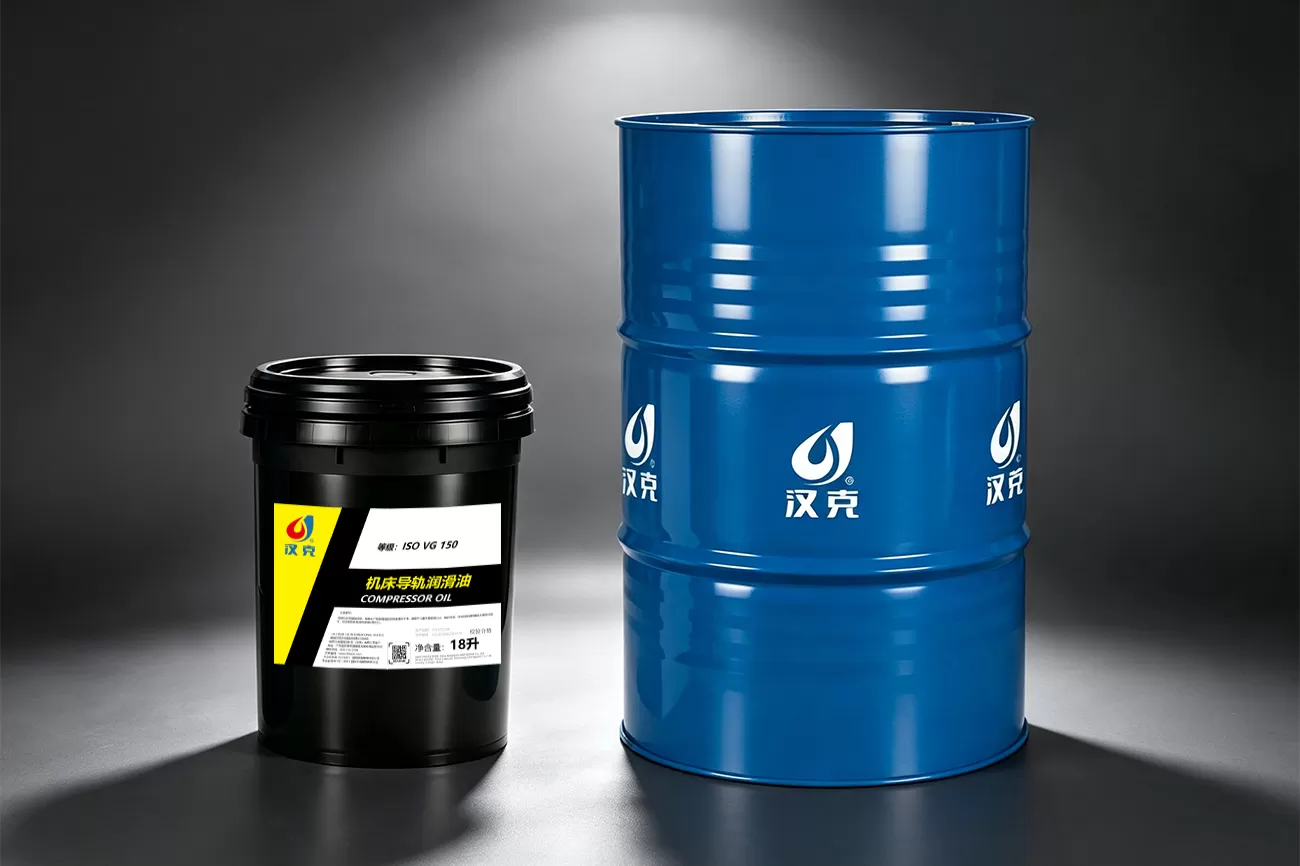
In addition, the BS-400 series is packaged in 18L small drums, 200L iron drums and 1000L ton drums, allowing enterprises to purchase flexibly according to the turnover frequency to avoid hoarding or shortages. From the perspective of scrap treatment, BS-400 does not contain heavy metals and nitrites, and the used waste oil can be treated as mechanical oil waste, with little impact on the environment.
Horizontal comparison with other types of anti-rust products
In order to provide a more intuitive view of the positioning of the BS-400, we compared it with three common types of rust-proof products.
The first category: traditional solvent-based anti-rust oil. This type of product uses a large amount of light solvent to dissolve the anti-rust agent. After coating, the solvent evaporates, leaving a very thin film. The advantages are fast drying and thin film, but the solvent flash point is low, flammable, and VOC emissions are high, which is subject to environmental protection restrictions. Although BS-400 also contains a small amount of solvent, the proportion is low, the flash point is higher than 60 ° C, the transportation and storage are safer, and the drying time is slightly longer but acceptable. The second category: water-based anti-rust agent. Environmentally friendly, oil-free, suitable for direct anti-rust after cleaning, but water-based products are not resistant to salt spray, and are prone to react with metal ions to produce white rust. Generally, it is only used for short- The salt spray performance of BS-400 is far better than that of water-based products, and the oil film has a lubricating function, which can provide convenience for subsequent assembly. The third category: wax-type rust inhibitor. The protection period is long, the film is thick and hard, but it is difficult to remove. It requires special solvents and is not suitable for moving parts and precision mating surfaces. BS-400 soft film balances protection and removability.
Therefore, the BS-400 is suitable for applications that require a certain anti-rust period while maintaining that parts can be assembled directly or cleaned quickly. It can replace multiple specialized products, reduce inventory types, and simplify process management, which is the fundamental reason why it is called "panacea".
IX. Usage precautions and best practices
Although the advantages of the BS-400 series are obvious, any anti-rust oil is not a panacea. The correct use determines the final effect. We summarize some experiences.
First, large pieces of dirt and loose rust should be removed as much as possible before the part is oiled. Although BS-400 has a certain replacement ability, if there is a thick rust skin on the surface of the part, it will hinder the oil film from contacting the substrate, and the anti-corrosion effect will be greatly reduced. It is recommended to clean it with a cleaning agent or a wire brush first. Second, the oiling process should ensure that the oil film is uniform and continuous to avoid leakage. When dipping, make sure that the part is completely submerged in oil, and properly drip dry after taking it out. When brushing, pay attention to dead corners, blind holes, and inner cavities, which can be assisted by a spray gun. Third, the thickness of the oil film is not as thick as possible. For parts with assembly tolerance requirements, too thick oil film will lead to backlog, which will hinder assembly. BS-400 can already provide excellent protection under 10 micron film thickness, and generally does not need to deliberately increase the thickness. Fourth, metals of different materials have different sensitivity to rust inhibitors. BS-400 has good protection against steel, cast iron, aluminum, and copper, but aluminum and magnesium alloys may be slightly corroded by long-term exposure to certain sulfonates. It is recommended to do a small sample test first. If it is a copper alloy part, special BS-404 containing copper corrosion inhibitor should be considered. Fifth, keep the storage environment dry and ventilated. The BS-400 barrel lid should be tightened immediately after use to prevent solvent volatilization from causing viscosity to rise or moisture to enter.
Comprehensive evaluation and recommendation
After laboratory testing and on-site application in the workshop, the Hank BS-400 series fully deserves the title of "the panacea for rust protection of metal parts". It has achieved a good balance of rust resistance, ease of use, environmental safety and cost-effectiveness. BS-401 is suitable as a fast-drying light rust oil for precision small parts and situations that require quick handling; BS-402 is a general-purpose workhorse, suitable for rust prevention between processes and medium-term storage of most machined parts; BS-403 optimizes the composition of welded structural parts and allows oil welding; BS-404 adds non-ferrous metal corrosion inhibitor, which is suitable for protection of mixed metal components. If the company's product line is complex, the metal materials are diverse, and the storage cycle length varies, then a BS-400 series can cover most of the rust protection needs, greatly simplifying procurement and management.
It needs to be emphasized that no anti-rust oil can protect parts forever. The premise of the excellence of the BS-400 series is that the user attaches importance to surface pretreatment and regular maintenance. As long as it is operated according to specifications, the Hank BS-400 is able to create significant economic value and quality value for the user. For mechanical engineers, production supervisors or purchasing personnel who are looking for a reliable anti-rust solution, the Hank BS-400 series is worthy of inclusion in your evaluation checklist. In the future industrial scenario, multi-purpose, easy-to-use and environmentally friendly anti-rust products must be the trend, and the BS-400 is undoubtedly at the forefront of this trend.