

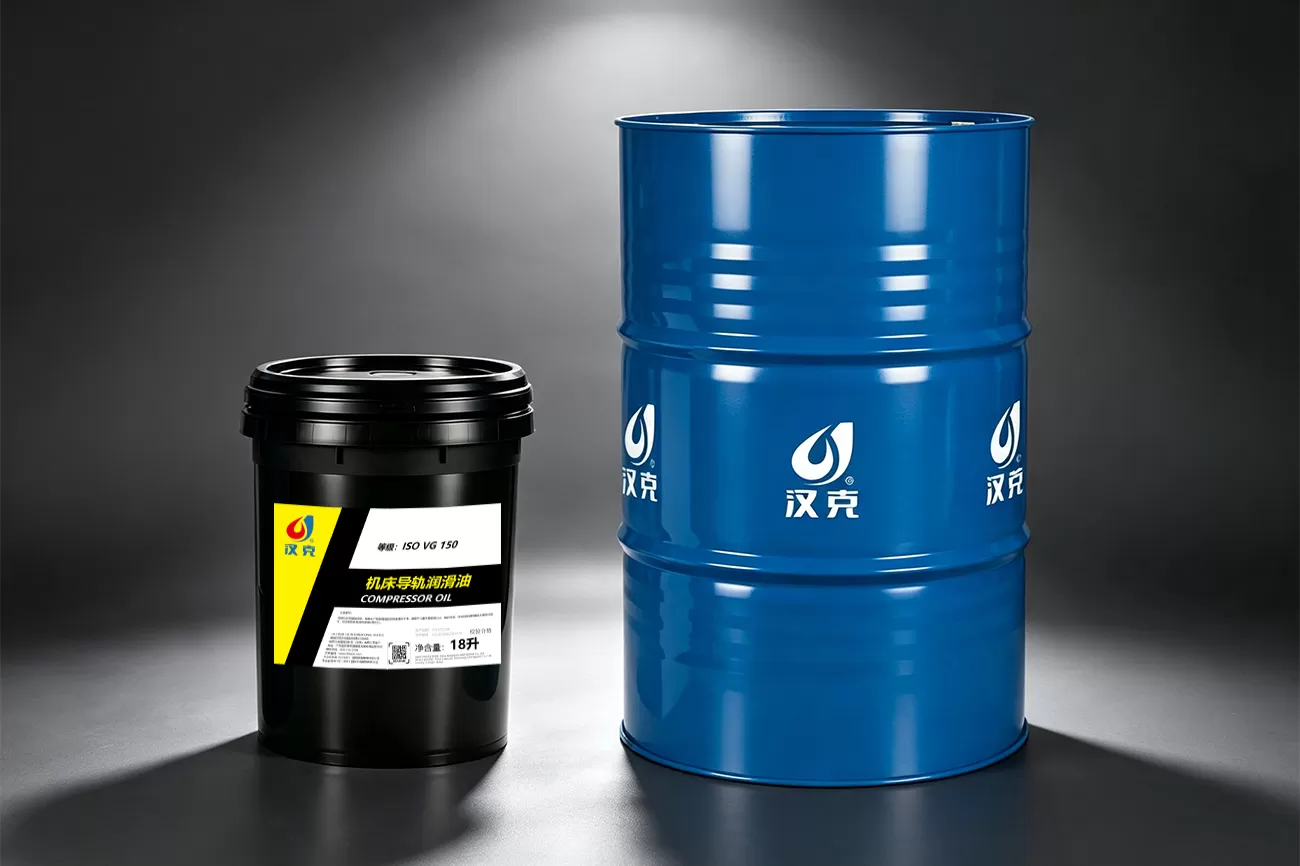

In the field of metal processing and warehousing logistics, rust prevention has always been an unavoidable pain point. Whether it is the temporary protection of steel parts after cutting, or the long-term storage of copper parts, once the rust prevention is not in place, the loss caused by rust is often far more than the cost of rust prevention itself. Recently, we got a rust-proof water called Hank BS-400 series, and conducted a systematic evaluation of steel and copper parts. Now, starting from the actual use scenario, let's talk about the real performance of this product.
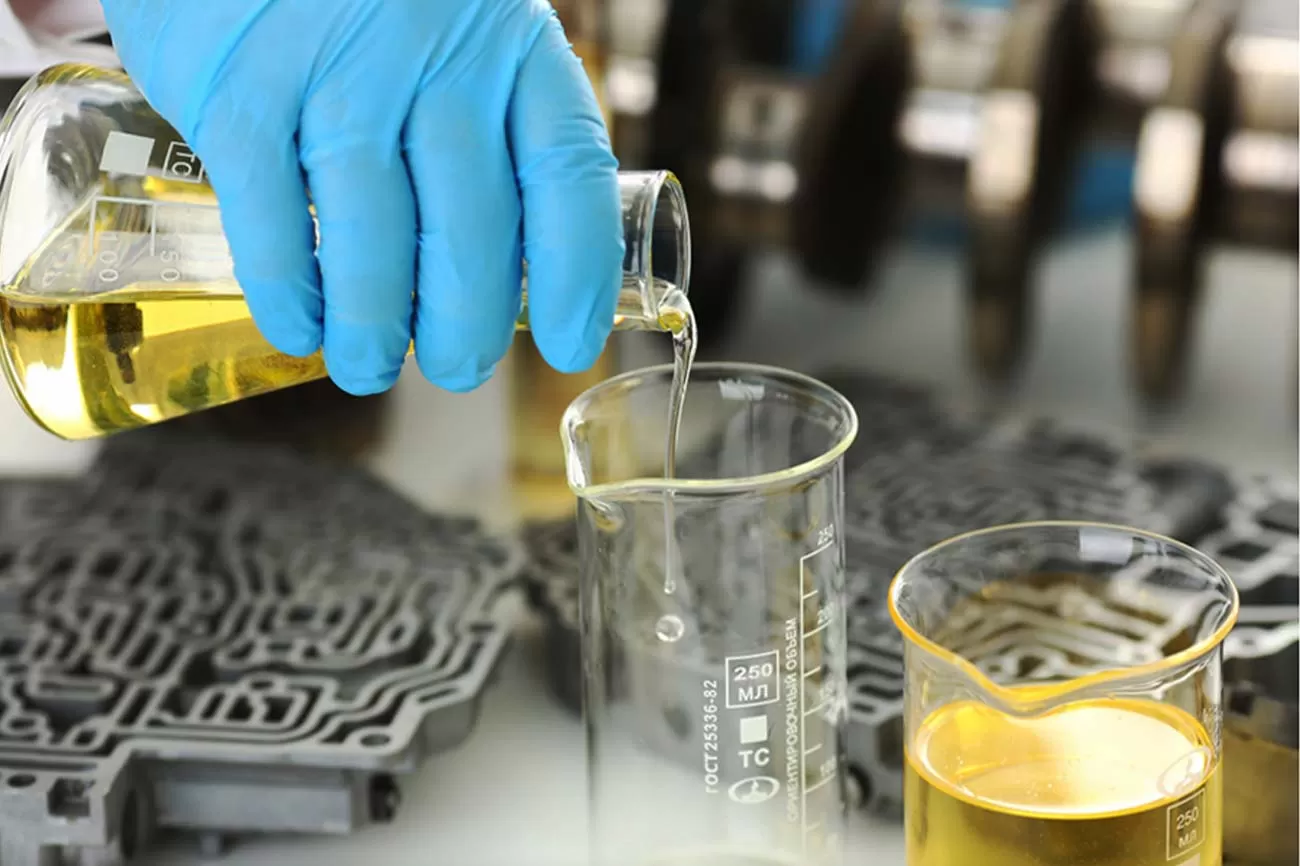
Let's talk about the basic form of the product first. Hank BS-400 is a type of water-based rust inhibitor, in the form of concentrated liquid, which can be mixed with water in a certain proportion. Unlike traditional anti-rust oil, it does not contain oily components. The surface of the treated workpiece is dry and refreshing, and no sticky oil film is left, which provides great convenience for subsequent assembly, welding or painting. From the appearance, the stock solution is a light yellow transparent liquid. After mixing with water, it is colorless or slightly emulsion white, and there is no obvious irritating smell. This is very friendly in the workshop environment.
Regarding the applicable materials, the official claims that the BS-400 series is suitable for both steel and copper parts, and will not cause copper discoloration. We start with the most commonly used steel parts for verification. Several sets of No. 45 steel test pieces were prepared. After degreasing and rust removal, they were soaked in BS-400 dilution solution, and then hung to dry naturally. After drying, a uniform transparent protective film was formed on the surface of the test piece, which felt dry and did not turn white or hang. Then we carried out a neutral salt spray test and sprayed continuously for 72 hours according to the standard requirements. The surface of the untreated control group test piece has been covered with red rust, while the BS-400 treated test piece has only very slight pitting marks, and the protection effect at the edge is slightly weaker, but the overall anti-rust ability is obviously better than the common anti-rust water in the market. In the humid hot box test with a humidity of more than 95%, the treated test piece also persisted for about 120 hours before rust points appeared, which is more than enough for the anti-rust performance between processes.
The test focus of the copper parts is slightly different, and more attention is paid to the anti-oxidation discoloration and whether it will corrode the copper substrate. We chose a group of pure copper sheets and brass sheets, and also used BS-400 dilution treatment. There was no blue-green copper ion precipitation during the soaking process, indicating that the formula is safe for copper. After drying for a week, the surface of the copper sheet maintained a good gloss, and there were no signs of blackening or patina. To simulate the harsh environment left after pickling, we also tested the copper sheet with a slight oxide scale. After being treated with BS-400, the oxide scale did not spread and the surface maintained an acceptable appearance. This shows that BS-400 is not only suitable for steel, but also can produce a qualified answer sheet on the anti-oxidation of copper and its alloys.
Another point worth paying attention to is the anti-rust film properties of BS-400. Many films formed after drying with anti-rust water are brittle, and they will crack and fall off when touched lightly, resulting in rust-proof failure. We specially scratched the steel plate coated with BS-400 with our fingernails and rubbed it with cloth strips. The protective film did not peel off in a powdery state, but maintained a certain toughness. In the subsequent washing and removal test, the use of a weakly alkaline cleaning solution can easily wash off the film layer without leaving visible marks on the metal surface, which can significantly simplify the cleaning process for workpieces that need to be processed twice.
In terms of cost, the BS-400 series provides a reference for the proportion of water, which can be controlled between 5% and 20% concentration for different anti-rust cycles. Taking the workshop-level short anti-rust scene we tested as an example, formulated at 10% concentration, one liter of working fluid can treat about tens of square meters of metal surface, which is more economical than anti-rust oil, and does not have to consider the cost of oil treatment, and the wastewater treatment pressure is much smaller. For the mixed production of large quantities of steel and copper parts, only one soaking tank is required to switch between different materials, and there is no need to change the agent, which significantly improves the production efficiency.
Of course, we also found some details that need to be paid attention to in the evaluation. For example, BS-400 has high requirements on the pretreatment of the workpiece. If oil or iron filings remain on the surface of the steel, the adhesion of the film will be significantly weakened, resulting in local rust prevention failure. In addition, in the extremely high salt spray environment, its long-term rust prevention ability is still not as good as that of heavy anti-rust oil, so it is more suitable for indoor storage, inter-process circulation or direct transportation after packaging. If you want to use it for long-term rust prevention in outdoor open air, it is recommended to match it with outer packaging or regular recoating.
In terms of stability, we did a one-month test of the stock solution. The 10% concentration of the working solution was placed in the open plastic bucket for one month without delamination, precipitation or odor. The pH value remained stable only after the slow correction from weak alkalinity in the first few days. This means that users do not have to change the tank solution frequently. Daily maintenance only needs to replenish the concentrate according to consumption. It is especially friendly for small and medium-sized enterprises.
Overall, the performance of Hank BS-400 series anti-rust water on steel and copper parts is remarkable. It solves the pain points of traditional anti-rust oil dirty, sticky, and troublesome follow-up treatment, and breaks the limitation that ordinary anti-rust water is only effective for steel and easy to change color for copper parts. In a workshop that needs to take into account the anti-rust of ferrous and non-ferrous metals at the same time, this product provides a feasible solution to simplify the process. If you are worried about preparing anti-rust agents for different materials, or you hate the residual oil on the surface of the workpiece, then BS-400 is worth putting on the trial list. Of course, please be sure to choose the appropriate dilution ratio according to your own anti-rust cycle and on-site environment. If necessary, do small batch verification first, so that its performance can be maximized.