



Effective lightweighting relies on high-performance lubricants
Although today's cars are designed to provide a smoother ride experience and quieter interior compartments, improved sound insulation isolates road and engine noise, making it easier to hear outside car noise. Unfortunately, most standard greases do not adequately address the challenges posed by noise, vibration and vibration roughness (NVH) and automotive abnormal noises (BSR) such as buzzing, squeaking, and rattling. Conventional greases may also react chemically with materials that come into contact, causing component degradation or discoloration.
Automakers optimize tire tread to reduce road noise, using foam and insulation to reduce rattling and noise in the cabin, and just as they innovate in design to address noise, vibration, and vibration roughness (NVH) and automotive abnormal noises (BSR) such as hum, creak, and rattle, they are also considering using a class of high-performance lubricants that are more effective at reducing or eliminating these creaks and rattles than silicon-based lubricants.
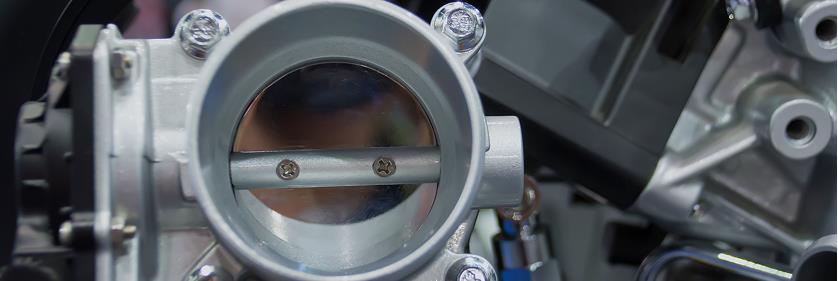 Throttle body of electric vehicle
This class of perfluoropolyether (PFPE) -based lubricants meets today's automotive requirements for performance and longevity, including chemical inertness, durability, compatibility with various materials used in vehicle construction, and low volatility.
Download our white paper to eliminate noise, vibration, and harshness (NVH) to keep your car quiet. This white paper discusses the benefits of using Hank's high-performance lubricants, which better meet the performance requirements arising from the use of new materials and technologies in modern automotive manufacturing and production to address NVH and BSR issues.