




Export shipping is the most important mode of transportation in international trade, but for metal products, this "blue highway" is full of corrosion crises. High salt spray, high humidity, large temperature difference, and long-term closed stacking. If you are not careful in any link, rust will quietly spread in the container. Many factories have obviously done anti-rust treatment, but customers still complain of "rust" when the goods go overseas. I have worked in the foreign trade hardware industry for many years, and I have tried gas phase anti-rust bags, ordinary anti-rust oil, desiccant, etc. It was not until I met the Hank BS-400 series that I really made up for the shortcomings of marine anti-rust. This article does not talk about theory, but only about actual combat. I have fully shared my experience in using the Hank BS-400 series in exporting metal parts, steel pipes, flanges, molds, and other products.
First explain the background. Our company mainly exports carbon steel flanges, alloy steel joints and some large machined parts to Southeast Asia, the Middle East and Europe. The most troublesome thing in the past was the appearance of "container sweat" and "yellow rust water" during shipping. Especially from Shanghai Harbour to Dubai or Rotterdam, the voyage is more than 20 days. The high temperature and humidity near the equator. The temperature in the container can soar to 60 ° C during the day, and drop to below 30 ° C at night. The temperature difference causes serious condensation. Once the water film is adsorbed on the metal surface, coupled with the salt in the air, electrochemical corrosion starts immediately. The old packaging is made of ordinary anti-rust oil, which is not evenly coated, and the workers often leak it. Moreover, where the oil film is too thin, pitting has appeared when it arrives at the destination port. The customer took photos and sent them, and the reddish-brown rust spots were clear. A batch of forged valve bodies worth hundreds of thousands were even asked to be returned due to serious rust, resulting in heavy losses.
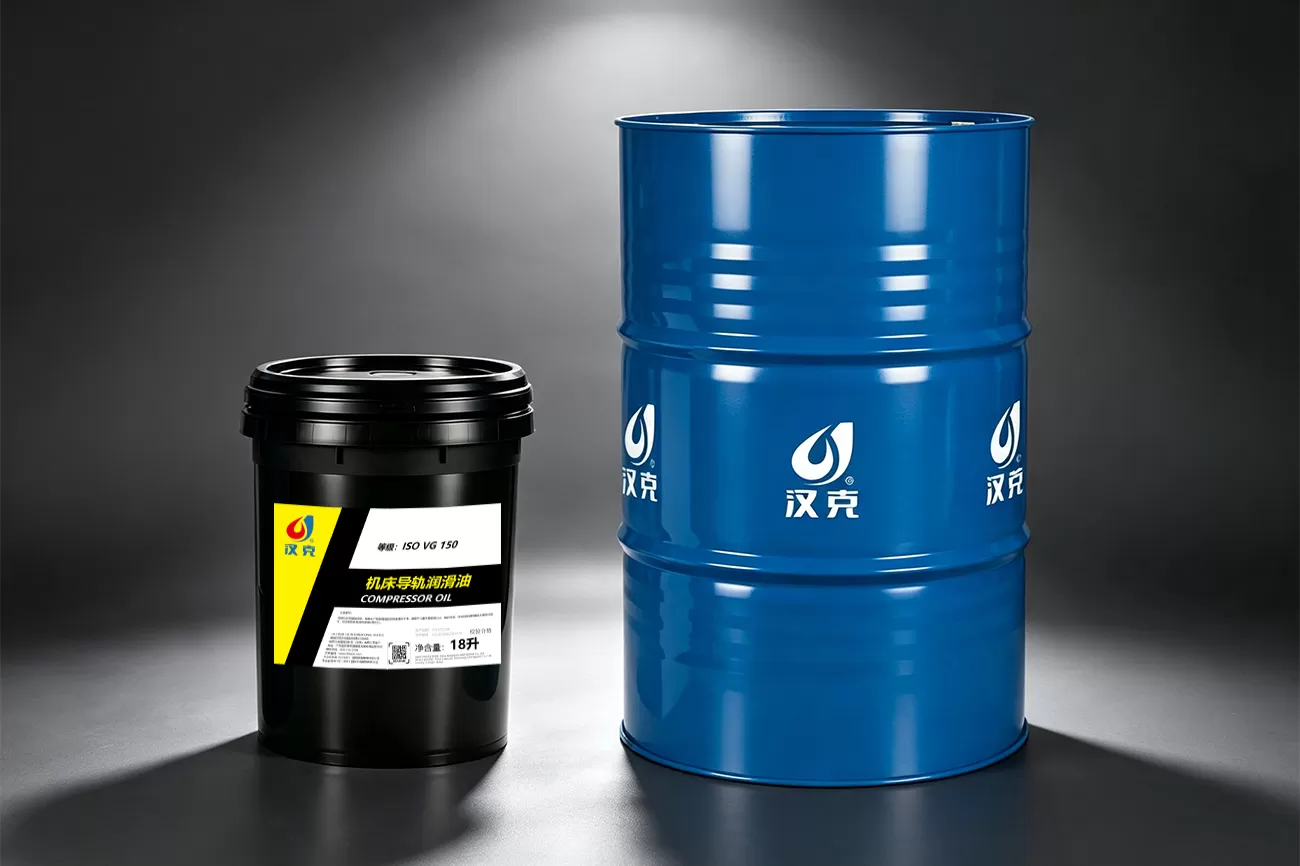
Then we started looking for a more reliable anti-rust solution. The equipment manufacturer recommended the Hank BS-400 series, saying that it is a metal anti-rust agent specially designed for the marine transportation environment. It is not a simple anti-rust oil, but a water-based anti-rust film-forming material. At first I was skeptical because the water-based anti-rust agents used before always felt that the film layer was too thin and the anti-rust period was short. But the technical data of the Hank BS-400 series shows that it can form a dense corrosion inhibitor film on the metal surface, and it has self-healing ability. The salt spray test can exceed hundreds of hours. What's more, it does not require heating, and it is very convenient to use the stock solution directly. We decided to take a small batch for testing first.
The first test selected 100 pieces of Q235B flanges exported to Thailand. The surface of this batch of flanges has been shot blasted and requires no oil, no rust, and no foreign matter. If traditional anti-rust oil is used, subsequent customers have to degrease, which is time-consuming and labor-intensive. Hank BS-400 series is a water-based product. We use a dip coating process. We put a stainless steel tank in the workshop, pour in the stock solution, lift the flange into the dip for one minute, and then hang it out to drain naturally. Here is a key point: the parts must be cleaned before soaking, and there must be no oil stains and iron powder, otherwise it will affect the quality of film formation. There is no obvious oil feeling on the surface of the drained flange, only a thin translucent protective film, which feels dry and refreshing, and is not as sticky as traditional anti-rust oil at all. Workers generally report that it is "much easier to use than the old one". When packing, we did not add additional desiccant, but packed it in an ordinary corrugated carton and a PE bag, and then put it into a 40-foot high cabinet.
After the goods arrived in Thailand, the customer unpacked and inspected the goods on the same day. They reported that all the flange surfaces were "like new" without any rust. What surprised us even more was that the 100 flanges were stacked in the open air in the Thai warehouse for two weeks. After several heavy rains, the metal surface was still bright when the PE bag was opened. This shows that the anti-rust film of the Hank BS-400 series is indeed very resistant to moisture and water. After passing the first round of tests, we started to replace the original anti-rust oil on a large scale.
The second practical case is a large diameter steel pipe with a diameter of 508mm, which is exported to Saudi Arabia. This steel pipe is 6 meters long, has a large diameter, and the inner wall is also prone to rust. In the past, we used anti-rust oil to paint the inner and outer walls, which was very laborious, and the operation of the inner wall of the steel pipe was not a big pain point. Hank BS-400 series is suitable for spraying. We bought two high-pressure sprayers and sprayed the stock solution directly on the inner and outer surfaces of the steel pipe. After spraying, it can be dried a little, and it can be packed within half an hour. It should be noted here that in summer, the workshop temperature is high, the water evaporates quickly, and the film formation speed is also fast; in winter, the temperature is low, and it may be necessary to extend the drying time, or use a fan to assist in blowing. If it is a large piece, In actual operation, we found that the consumption of Hank BS-400 series is not large, and each kilogram of stock solution can treat about ten square meters of metal surface, which is cheaper than high-grade anti-rust oil.
This batch of steel pipes was shipped by sea to the port of Jeddah. The voyage passed through the Red Sea, where the temperature was very high and the salt spray was also very heavy. After arrival, the customer inspected with a thickness gauge and visual inspection, and found that there was no rust on the inner and outer walls of the steel pipes, and there was no "flash rust" in the weld area. One detail worth noting is that the Hank BS-400 series has low foam performance. It will not produce too much foam during spraying and will not clog the nozzle, which is particularly important in batch operations. In addition, the product does not contain heavy metals and nitrites, complies with the European Union RoHS directive, and the SGS test report provided by the customer also passed smoothly. For orders exported to Europe, environmental compliance is a major premise, and the Hank BS-400 series gives us confidence in this point.
In addition to flanges and steel pipes, we also use stamping parts and precision molds for export. The surface finish of the mold is very high, and once it rusts, it is basically scrapped. Hank BS-400 series after the mold is cleaned, a thin layer is applied with a brush, or treated with a soaking method. After drying, it is transparent and colorless, which will not affect the accuracy of the mold. And before the mold is packed, we will spray another layer on the surface of the cavity. In the past, when anti-rust oil was used, it had to be wiped off with a cleaning agent after arriving at the destination, which was very troublesome. Now the customer receives the mold and wipes it lightly with a cloth to test the mold on the machine, eliminating the oil removal process. Customer feedback is very favorable. This adds a lot to maintaining Customer relationship.
Of course, there is no one-size-fits-all anti-rust product, and the Hank BS-400 series does not take all scenarios. According to our actual combat experience, there are several misunderstandings that must be reminded. First, the Hank BS-400 series is suitable for rust prevention of bare metal. If the metal surface has rusted, it must be rust and degreased first, otherwise the anti-rust film will be pushed up by the rust layer, and the anti-rust effect will be greatly reduced. Second, the product is not suitable for long-term outdoor exposed storage, especially in an open-air environment without shelter. We have tested that after being exposed to rain outdoors, although it will not rust for a short time, the anti-rust period will be shortened. The best way is to store it indoors, or seal it with a winding film and a carton immediately after leaving the factory. Third, for welding parts, if the welding slag is not cleaned, the anti-rust agent cannot penetrate under the welding slag, and rust lines may appear on the edge of the weld. So after welding, it must be polished to remove slag before using the Hank BS-400 series.
In the actual operation, we also summed up a set of standard anti-rust process and shared it for your reference. The first step is that after the metal parts are processed, they enter a special cleaning line and use a degreaser to remove cutting fluid, fingerprints and oil stains. The second step is to rinse with water, and then dry them in hot air or blow dry them with compressed air. This step is very critical. If there is moisture left on the surface, the anti-rust agent cannot be completely soaked, and it will seal the moisture in the film, but accelerate corrosion. The third step is to immerse the parts in the Hank BS-400 series stock solution. The soaking time is controlled at about 30 seconds to 60 seconds, depending on the complexity of the workpiece. There are deep holes, blind holes or threads. The soaking time can be appropriately extended, and the workpiece can be slightly shaken to allow the liquid to enter the hole. The fourth step, take out the workpiece, drain it naturally or dry it with hot air. Be careful not to dry it with recycled rags, so as not to scratch the film layer. The fifth step, check the quality of film formation. The normal film layer should be continuous and transparent, without water marks, no white residue, and feel smooth and non-sticky to the touch of the finger. If there is local leakage, you can use a small spray can to replenish the spray. The sixth step, pack it into the box. For high-value precision parts, it is recommended to use a VCI anti-rust bag with a desiccant; for ordinary parts, use a PE bag and a carton. The whole process is not complicated, but it is necessary to establish Quality Standards and implement sampling inspections on the production line.
We have encountered a special situation: a batch of stainless steel bolts exported to Indonesia, the material is 316L, it is reasonable to say that it is not easy to rust, but during the shipping process, the bolt and the carbon steel gasket contact, resulting in galvanic corrosion, the bolt surface appeared brown spots. The customer mistakenly thought it was the bolt material problem and almost claimed. Later, we used the Hank BS-400 series to treat the bolts as a whole. At the same time, the carbon steel gasket was also sprayed with anti-rust to separate the contact of dissimilar metals and avoid electrochemical corrosion. The second batch of goods passed the inspection smoothly, and the customer also recognized our professional explanation. This incident shows that the anti-rust at the contact of dissimilar metals cannot be ignored. The Hank BS-400 series cannot completely eliminate galvanic corrosion, but it can significantly slow down the corrosion rate and work better with isolation materials.
In addition, regarding the choice of spraying equipment, we have tried airless spraying and airless spraying. For small pieces, a low-pressure spray gun will do, and for large pieces, an airless spray gun is recommended, which has high efficiency and uniform atomization. Hank BS-400 series stock solution has very low viscosity and is similar to clear water, so it does not need to be diluted. If you buy a concentrated type, please strictly follow the instructions. Our experience is that you should not add tap water at will, because tap water contains chloride ions and calcium and magnesium ions, which may affect the anti-rust performance. It is best to use deionized water or distilled water to prepare. However, we use an integrated stock solution, which saves a lot of trouble and avoids mixing errors.
Regarding storage stability and shelf life, the Hank BS-400 series has a shelf life of about one year in an indoor sealed state. If it is not used up after opening, cover it tightly and put it in a cool place to avoid direct sunlight. In winter, the temperature in the northern workshop is below freezing point, so you need to pay attention to anti-freezing. In case of freezing, you can continue to use it by stirring it evenly after melting, but the performance may change slightly. It is recommended to do a salt spray test on the test board to confirm first. I generally recommend that the amount of stock in the workshop is subject to one month's consumption, and do not stock up too much.
There are also cost considerations. Many bosses feel that rust inhibitors are an extra cost, and they can be saved if they can be saved. But really, if a batch of goods is rejected due to rust, the return cost, re-processing fee, overdue storage fee, and customer trust loss are far more than the rust inhibitor itself. After we used the Hank BS-400 series, more than 40 batches of metal products exported in the past year did not receive a rust complaint. Just avoiding a claim saved at least tens of thousands of dollars. And because the use of rust-proof oil is reduced, the workpiece does not need to be cleaned after arriving at the port, and the customer's customs clearance and inspection are more convenient. The overall trade process is much smoother.
Finally, I would like to emphasize the word "actual combat". The Hank BS-400 series does not rely on the label on the bottle to look good, but on the effect to speak. We did a number of batches of comparison tests: the same material test pieces were coated with ordinary anti-rust oil, coated with Hank BS-400 series, and put into a high-temperature and high-humidity box without protection to simulate the maritime environment. The results showed that rust spots appeared after 48 hours without protection; the test pieces coated with ordinary anti-rust oil had fingerprints on the surface after two weeks; and the test pieces treated with Hank BS-400 series were still bright for 30 consecutive days. Later, we commissioned a third-party testing agency to do a neutral salt spray test, and the corrosion resistance time of Hank BS-400 series far exceeded that of ordinary anti-rust oil. It is these measured data that have allowed us to switch all export metal parts to this series with confidence.
Of course, the product form, packaging method, and destination port climate of each factory are different, and no anti-rust solution is a panacea. I am not writing this article to let everyone copy blindly, but to provide an idea that has been proven by practice. The Hank BS-400 series has shown us the maturity of water-based anti-rust technology, and it has also made us realize that as long as the process control is in place, it is completely possible to ensure the anti-rust effect while achieving cleanliness, environmental protection and cost reduction. I hope you can also get inspiration from it and find the most suitable marine anti-rust solution for your products. If you are troubled by the corrosion problem of exported metals, you might as well buy a small barrel of the Hank BS-400 series for a sample test and use the data to speak. After all, good products can stand the test of actual combat.