


The Truth About Traditional Engine Wear
When an engine is running, high-speed friction between metal parts is inevitable. Even if the lubricating oil film exists, scenarios such as cold start, high temperature and pressure, and intense driving will still cause the oil film to break, resulting in direct metal contact and fine wear debris. Over time, the gap between the cylinder block, piston and bearing bush expands, and behind the drop in power and the increase in fuel consumption, it is these invisible microscopic damages. Traditional lubricating oils can only delay wear as much as possible, but cannot really prevent wear from occurring.
The core principle of nano black technology
The breakthrough of Hank Petroleum in the UK stems from the deep use of nanomaterials. Its research and development team dispersed special nano-scale inorganic particles in the base oil. These particles are smaller than traditional oil film molecules and can penetrate into the uneven micro-cracks and cutting marks on the metal surface. Under the high temperature and high pressure generated by friction, the nanoparticles are physically adsorbed and chemically bonded to the metal surface, forming a dense ceramic-metal composite protective layer. This protective layer is not only much stronger than ordinary oil films, but also can repair local damage and keep the friction pair in a smooth state.
How Hank Oil achieved "zero" wear
The so-called "zero" wear is not absolutely no loss, but refers to the wear amount that is negligible, even beyond the resolution limit of traditional detection instruments. Hanke Oil's nano-protective layer converts sliding friction into an extremely low resistance state similar to rolling friction, while significantly reducing the friction coefficient. In bench experiments, after hundreds of hours of continuous full-load operation, the surface of the crankshaft and bearing bush of the engine using Hanke Oil still maintains a mirror luster, and almost no traces of strain caused by direct metal contact can be found. This effect allows the engine to quickly flatten the surface during the running-in period, and has maintained the best matching accuracy ever since.
Amazing performance in practical applications
After many car owners replace Hanke Oil, the most intuitive feeling is that the engine noise is significantly reduced, the steering wheel is no longer shaking when idling, and the throttle response is lighter. Long-term data monitoring shows that the oil consumption is significantly reduced, and the particulate matter and hydrocarbon content in exhaust emissions are also reduced simultaneously. For old cars with a driving range of more than 100,000 kilometers, Hanke Oil's nano-repair ability is particularly obvious. After two consecutive oil change cycles, the oil level of the engine that originally burned oil remains stable, and the power is restored to the level of a new car. This ability to repair problems at a microscopic scale is just beyond the reach of traditional lubricants.
Quality assurance from the laboratory to the cab
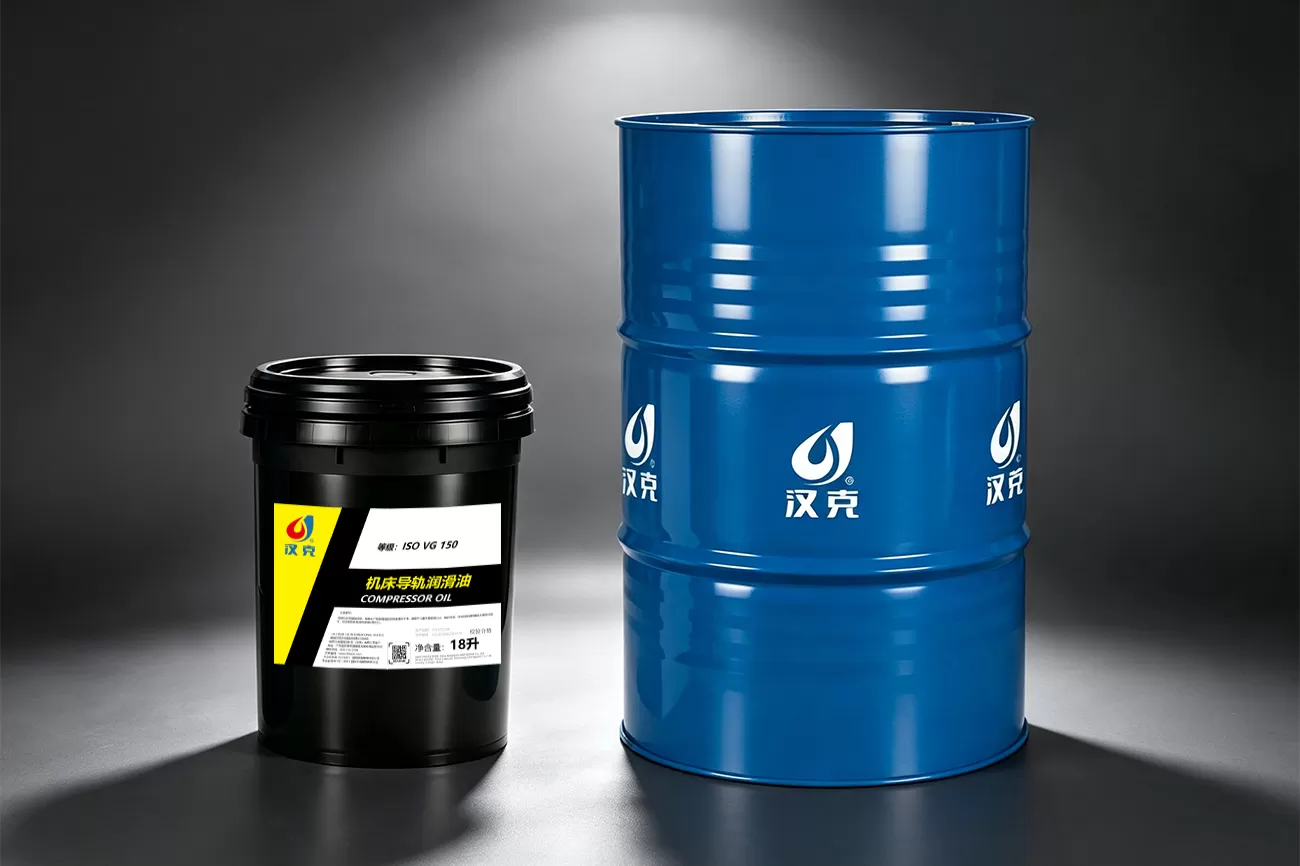
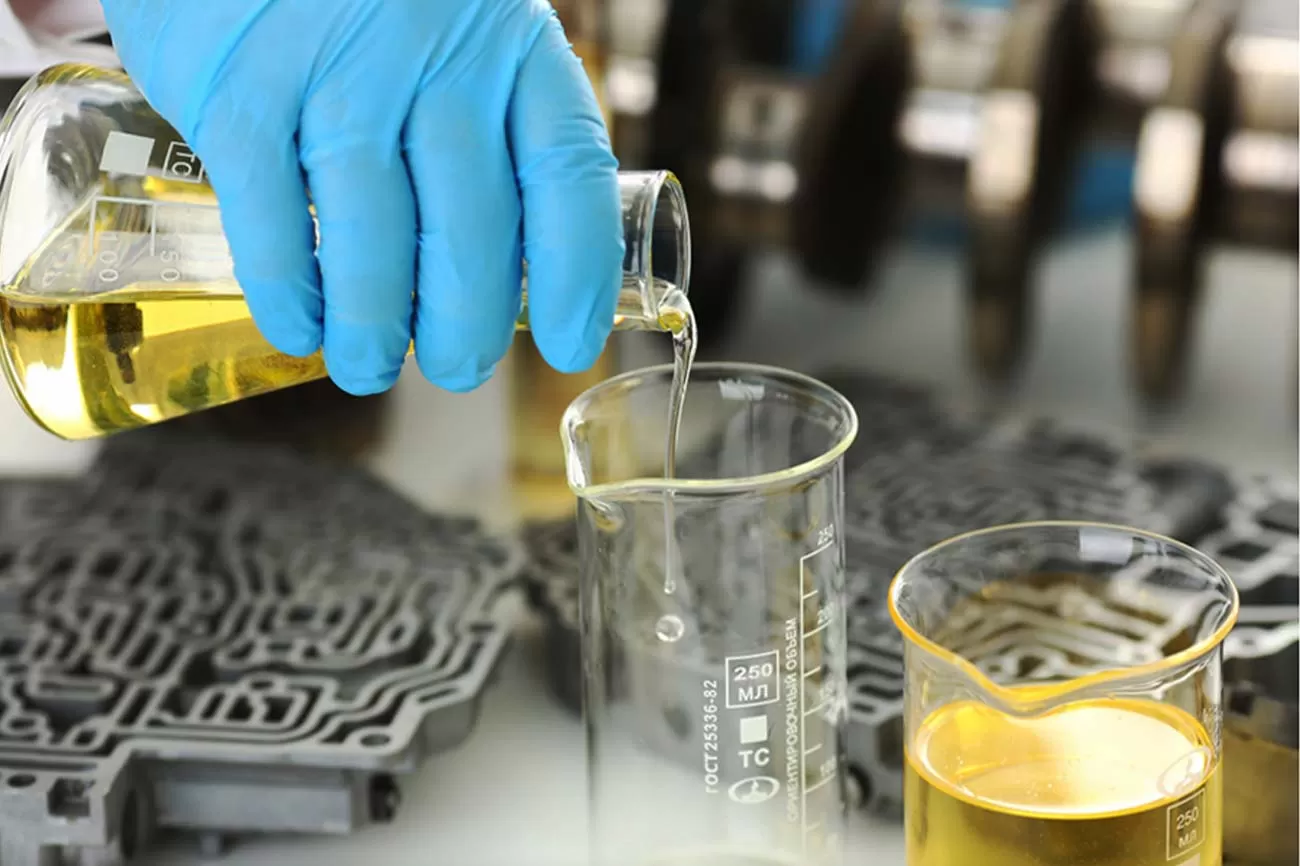
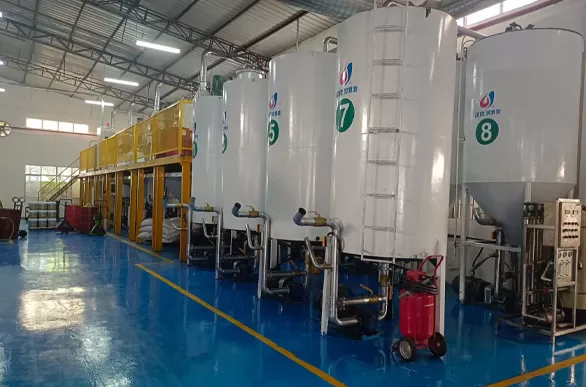
Every barrel of Hank Oil products in the UK is subject to strict quality control, from the viscosity index of the base oil to the particle size distribution of the nano additives, which are tested by precision instruments. Its technical team has published a number of wear test reports issued by third-party institutions, and the data clearly shows the stability of the nano protective film under extreme working conditions. What's more, Hank Oil's formula is compatible with the vast majority of passenger car and commercial vehicle engines on the market, and can be directly added and used without additional cleaning. For those who pursue the ultimate engine life and driving experience, it provides not only a lubricant, but also a micro-engineered solution for active protection.