

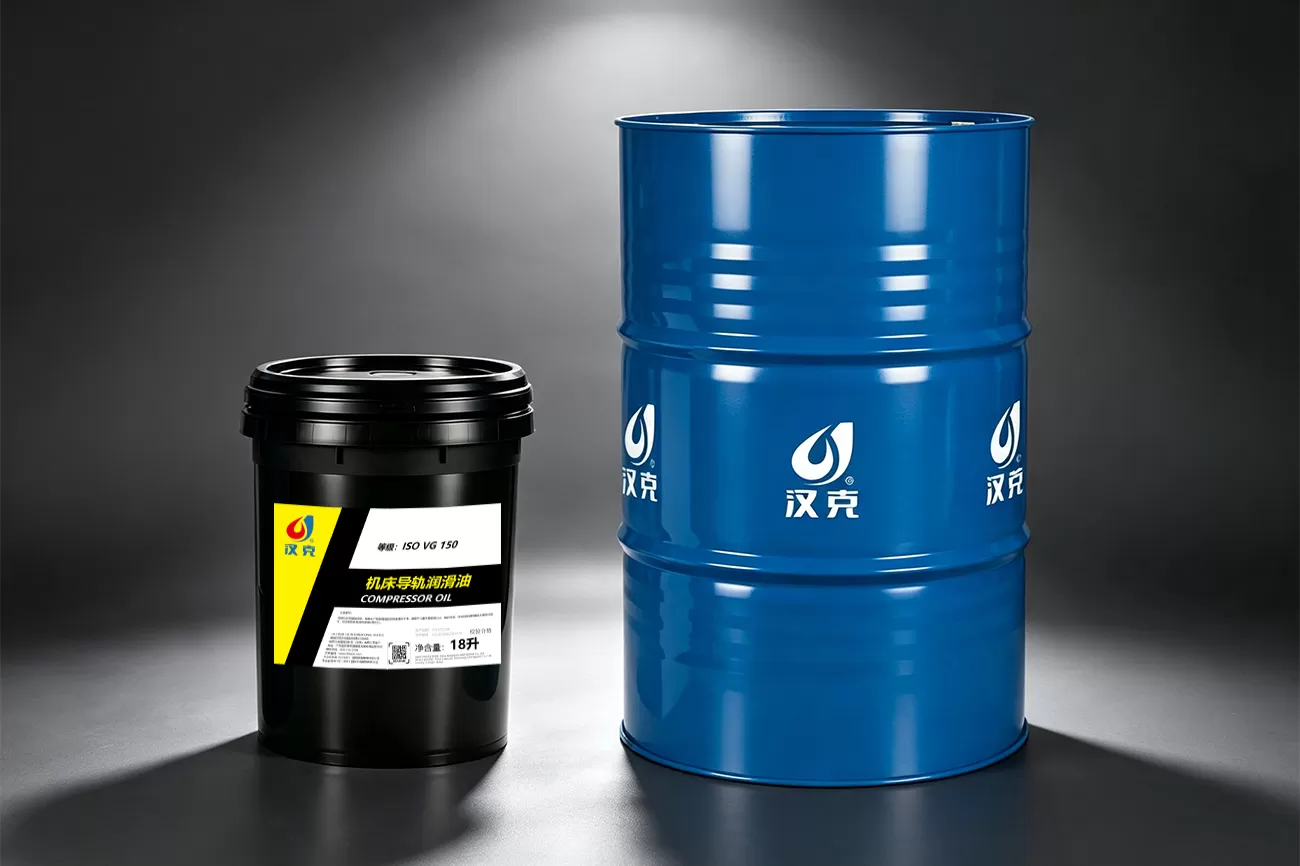
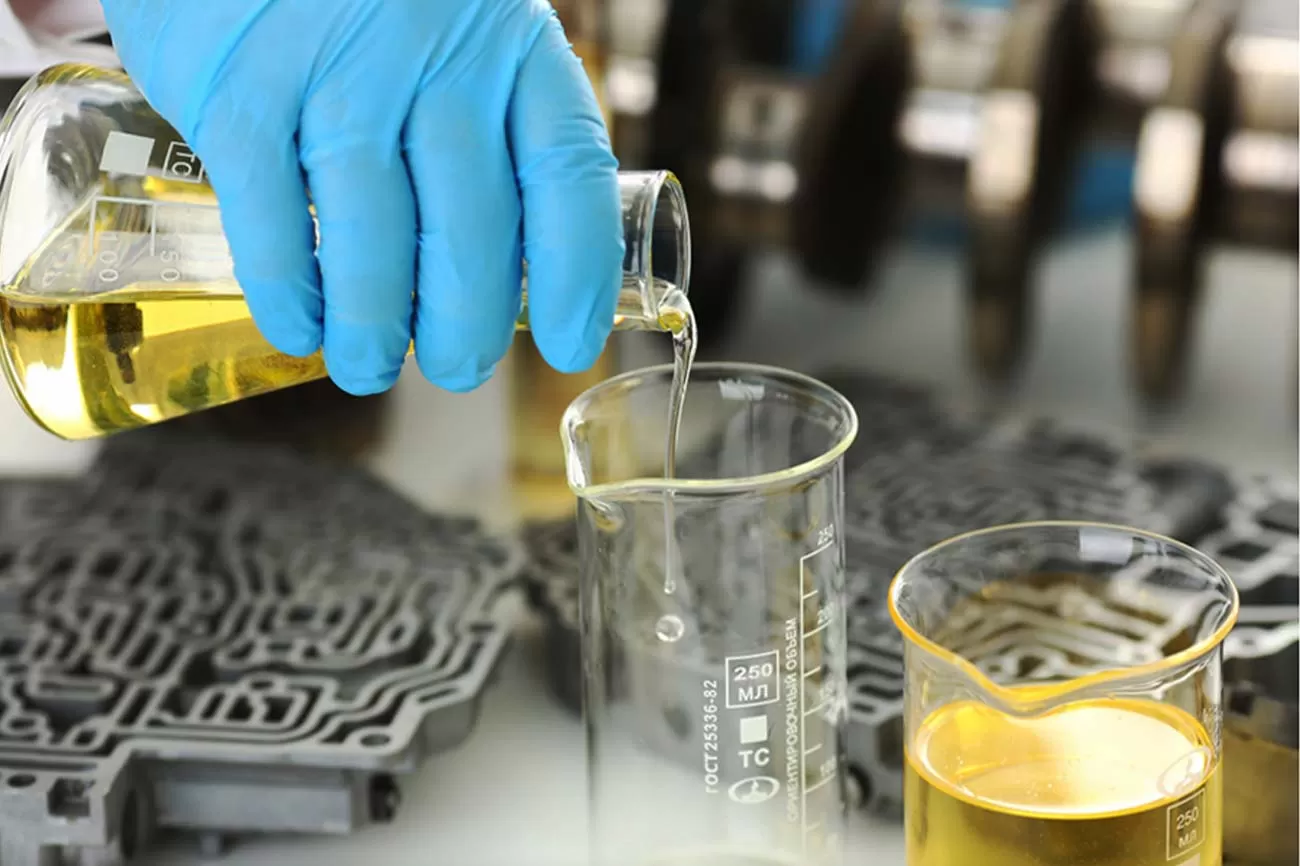

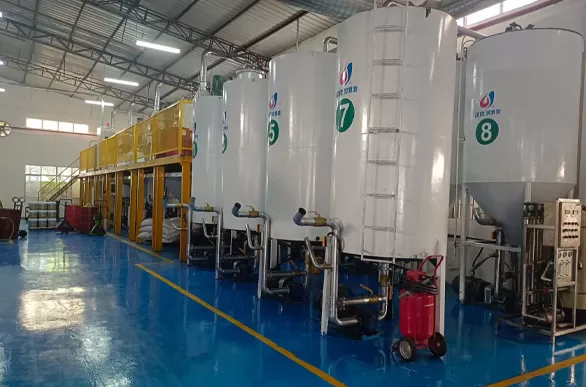
Among the many lubricant brands in the automotive aftermarket, Hanke Oil from Europe has always been known for its cutting-edge technology and track genes. Recently, this wealthy brand has once again dropped a bombshell - a new generation of high-performance lubricants based on exclusive nanotechnology has been officially launched. Officials claim that this product can increase the horsepower on the wheels of ordinary family cars by 5% without changing any hardware. This data has aroused the doubts and expectations of countless car fans: Can nanotechnology really "squeeze" the hidden potential of the engine? With doubts, we took a deep look at Hanke Oil's technical white paper and conducted a two-week real-world test.
First, we need to understand the bottlenecks of traditional lubricants. When the engine is running, high-speed friction occurs between metal surfaces, and even if the oil film exists, there are still uneven peak-to-valley contacts at the microscopic scale. These contact points not only consume energy, but also generate heat and wear. Ordinary lubricants can only reduce contact by increasing viscosity, but high viscosity will bring running resistance, which will lead to greater power losses. Hanke's engineers realized that the real breaking point was to change the "surface topography" of the friction interface, rather than relying solely on the thickness of the oil film.
At the heart of Hank Oil's nanotechnology solution is a composite nanoparticle called "Nano-Ceramic". The size of these particles is controlled between 5 and 10 nanometers, which is tens of times smaller than traditional additives. Under the high temperature and pressure conditions of the engine operation, these nanoparticles flow through each friction pair with the engine oil and gradually embed themselves in the micro-depressions of the metal surface like "smart micro-bricks". Through tribochemical reactions, they form an extremely thin ceramic-metal composite layer with extremely low shear strength with the metal matrix. This composite layer is not a simple deposition, but a permanent repair layer of chemical bonding, which can effectively fill the microscopic gullies and make the friction surface as smooth as a mirror.
The immediate benefit of this "micro-fill" effect is a sharp drop in frictional drag. According to the bench test data published by Hanke Oil, the friction torque inside the engine is reduced by an average of about 12% after using the nano-lubricant. The reduction in friction loss means that the wasted mechanical energy is released. For an engine that puts out 200 horsepower, a 12% reduction in friction loss can theoretically increase the net output by 3 to 6 horsepower, which is exactly in line with the official "power increase of 5%". Of course, 5% is not an absolute value, it depends on the wear state and operating conditions of the engine, but for most well-maintained vehicles with a certain driving range, the change in driving experience is quite obvious.
In order to verify the actual effect, we chose a 2.0T turbocharged model with a driving range of 80,000 kilometers for testing. Before replacing the Hanke Oil nano-lubricant, the vehicle measured the on-wheel power of 168 horsepower on the horsepower machine. After the replacement, the standby oil was circulated and fully operated for 100 kilometers, and the horsepower machine was put on again, and the result showed that the on-wheel power reached 176.5 horsepower. The improvement margin is 8.5 horsepower, and the error range is 5%. What is even more surprising is the change in the torque curve: in the usual range of 2000 to 3,500 rpm, the torque output increased by an average of 12 Nm, which means that the car will have more "speed" without having to press the accelerator deeply during daily overtaking.
In addition to the power boost, nanotechnology also brings an additional protective effect. Since the composite layer covers the micro-cracks and pits on the metal surface, the contact area between the oil and the metal is increased, and the pressure per unit area is reduced, thus greatly reducing the risk of "cold welding" when the boundary friction occurs. In the cold starting phase, when the oil has not been fully pumped in place, this cured nano-film can still provide protection, effectively reducing the engine's starting wear by more than 70%. Hank Petroleum also proved in the durability test that this repair layer can continue to adhere to the metal surface for 30,000 kilometers. Even after the oil is changed, the protective layer will not disappear immediately, achieving "one use, long-term protection".
Of course, some people will worry about whether the nanoparticles will clog the oil filter. According to Hank Oil's technical data, these nanoparticles have undergone strict dispersion and stabilization treatment. They are not suspended insoluble solid particles, but form a stable colloidal solution with the base oil. During the oil cycle, they are not intercepted by filter paper, and only release active ingredients when the friction interface is subjected to high temperature and pressure. Hank Oil's engineers humorously made an analogy: "They are like a group of well-trained agents, who usually silently lurk in the oil, and only work at the friction site."
From the track to the street, Hank Oil's wealthy pedigree is not only reflected in the brand history, but also in every micron-level technical detail. The release of this nano-lubricant has truly turned the "lossless lifting power" from metaphysics to science. If you also want your car to be brisk at every traffic light and calm at every high-speed overtaking, you might as well try the nanotechnology of the European giants. You may be surprised to find that your engine still has 5% of the passion waiting to be released.